Hidden slab leaks soaking carpet padding
We use thermal imaging and moisture meters to trace the leak path, extract the water, remove saturated materials, and dry the slab and framing. If mold is present, we contain and remove it before rebuild.
Water Damage Mold Remediation LAGUNA WOODS CA starts with finding the moisture you cannot see. We use thermal imaging cameras and moisture meters to map every wet cavity, then contain, dry, and remove mold growth before it spreads. If you are searching for water damage mold cleanup LAGUNA WOODS homeowners trust after a slab leak or roof leak, our IICRC-trained crew responds 24/7 across Orange County.
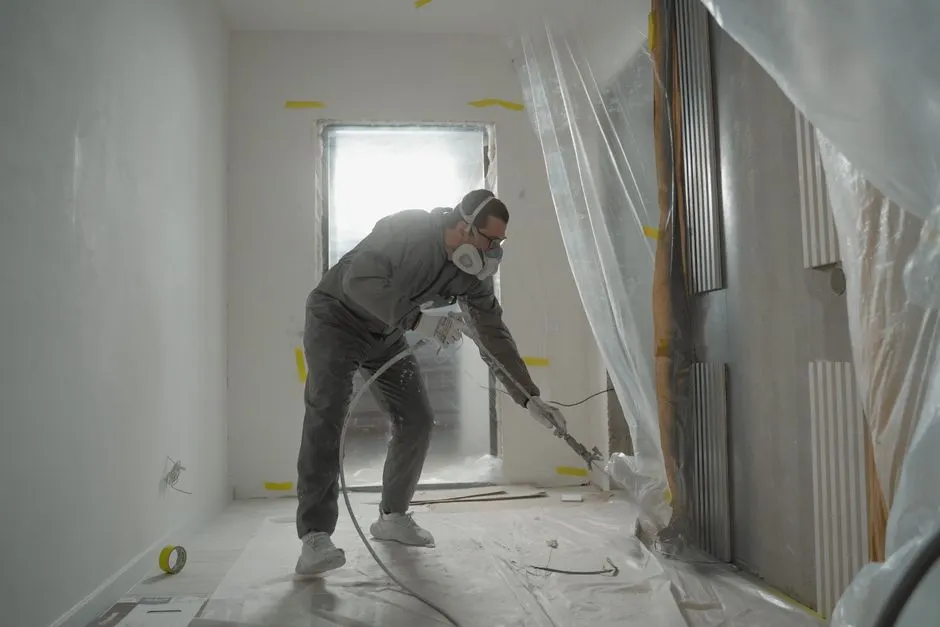
Water Damage Mold Remediation LAGUNA WOODS CA is the process of stopping a water source, extracting standing water, drying structural cavities to standard, and removing mold growth that has already colonized drywall, wood framing, or insulation. We follow ANSI/IICRC S520, the industry standard for mold remediation, which means containment goes up before demolition, negative air machines run HEPA filters around the clock, and every affected cavity gets verified dry before we close it. This is not a wipe-down and paint-over job.
In Laguna Woods, water damage often starts small: a failed supply line under a kitchen sink, condensation dripping from a poorly vented attic, or a slab leak that quietly soaks carpet padding for weeks. By the time a musty odor shows up, mold spores have usually been growing for 48 to 72 hours. That is why our water damage mold cleanup LAGUNA WOODS crews treat every leak call as a possible mold job until moisture readings prove otherwise.
Every job starts with inspection and ends with clearance testing. The inclusions below are standard on our water damage mold remediation in LAGUNA WOODS, California. Rebuild work like drywall replacement and paint is quoted separately once the remediation scope is confirmed.
We use a moisture meter and thermal imaging camera to find wet cavities behind drywall, under flooring, and inside ceiling assemblies. The inspection report shows readings room by room so you can see exactly where the water traveled.
Plastic sheeting and negative air machines isolate the work zone. HEPA filters capture spores before they migrate. This setup stays in place until the final clearance check confirms the air is clean.
Extraction units pull standing water, then Dri-Eaz and Phoenix dehumidifiers and air movers dry the structural cavities. We check readings daily and do not remove equipment until the numbers hit dry standard.
Affected drywall, insulation, and trim are removed and bagged. Wood framing gets HEPA vacuuming and an antimicrobial solution such as Concrobium or Benefect. Porous materials that cannot be saved are disposed of per state guidelines.
We run air sampling and moisture readings after the work is complete. You get a written clearance report showing the job passed. That document is useful for insurance claims and future resale.
A certified technician walks the affected area with a moisture meter, thermal imaging camera, and boroscope inspection camera to find hidden wet cavities behind drywall and under flooring. We map readings on a sketch of the room. Expect 45 to 90 minutes depending on square footage and how many rooms are involved.
We seal doorways and HVAC registers with plastic sheeting and duct tape, then position negative air machines with HEPA filters to scrub the work zone. This keeps mold spores from drifting into bedrooms or adjacent units. Setup usually takes one to two hours and stays in place until the final clearance check.
Standing water comes out with extraction units. Then we place Dri-Eaz and Phoenix Restoration Equipment dehumidifiers and air movers to dry structural cavities. Drying typically runs 3 to 5 days, and we check readings daily to confirm the numbers are dropping. You will hear the equipment running, and that is normal.
Affected drywall, insulation, and trim are removed and bagged. Wood framing gets HEPA vacuuming followed by an antimicrobial solution such as Concrobium or Benefect. Porous materials that cannot be saved are disposed of per California Department of Public Health guidelines. This stage usually takes one to three days.
We run post-remediation verification with an air sampling pump and moisture meter readings, then provide a clearance report. Once the area passes, we can coordinate drywall, texture, and paint so the room looks like nothing happened. Total project time typically runs 5 to 10 days from first call to final walkthrough.
Purpose-built equipment, used by trained technicians — so the job is done accurately the first time.
Finds temperature differences that reveal hidden moisture behind drywall and under flooring. It lets us see the leak path before we open anything.
Measures moisture content in drywall, wood framing, and flooring. We use readings to set drying goals and confirm when cavities are dry to standard.
Lets us look inside wall cavities and ceiling assemblies without full demolition. It confirms whether mold is growing on the back side of drywall.
Creates negative pressure in the containment zone and filters airborne spores. It keeps mold from spreading to clean rooms during demolition.
Pulls moisture out of the air and structural cavities. These run continuously during the drying stage, typically 3 to 5 days.
Collects airborne spore samples for lab analysis. We use it for pre-remediation baselines and post-remediation clearance testing.
Cleans mold from wood framing without abrasives or chemicals. It is useful on structural lumber where sanding would be too messy.
A supply line under a kitchen sink failed and soaked the cabinet base and toe kick for two days before the homeowner noticed. Mold was visible on the cabinet back panel and the drywall behind it. Moisture readings in the adjacent wall cavity were above 30 percent.
We extracted the water, removed the affected cabinet base and drywall, treated the framing, and ran drying equipment for four days. Final moisture readings were below 12 percent, and post-remediation air sampling passed. The cabinet and drywall were rebuilt to match the original finish.
A homeowner noticed a musty smell in the hallway that got worse in winter. The attic inspection found condensation on the roof sheathing and mold growth on the north-facing slope. Insulation was damp in two bays, and moisture readings in the sheathing were above 20 percent.
We removed the damp insulation, treated the sheathing and framing with an antimicrobial solution, and ran HEPA filtration in the attic. Post-remediation air sampling passed, and we recommended additional ventilation. The musty smell cleared within a week.
A slab leak under a condo soaked carpet and padding in a bedroom and hallway. The water bill had been climbing for a month, and the musty smell was noticeable at the front door. Baseboards showed visible mold growth, and moisture readings in the bottom plate were above 25 percent.
We traced the leak with thermal imaging, extracted water from the carpet and padding, removed saturated baseboards and drywall, and dried the slab and framing for five days. Final readings were below 12 percent, and clearance testing passed. New flooring and baseboards were installed.
Most water damage calls start with something small that got ignored. These are the problems we see most often when homeowners call for water damage mold remediation near me LAGUNA WOODS CA.
Ask a pro →We use thermal imaging and moisture meters to trace the leak path, extract the water, remove saturated materials, and dry the slab and framing. If mold is present, we contain and remove it before rebuild.
We inspect the attic with a boroscope, test moisture content in the sheathing and framing, remove affected insulation, treat the wood, and recommend ventilation corrections so the problem does not return.
We open the wall, contain the area, remove affected drywall and insulation, treat the framing, and dry the cavity. Once readings are dry, we coordinate tile and drywall repair.
We inspect the air handler and ductwork, clean or remove contaminated components, and run HEPA filtration in the affected zones. Post-remediation air sampling confirms the system is clean before it goes back into service.
Most residential jobs run $1,800 to $6,500 in 2026, depending on square footage, how many cavities are affected, and whether rebuild is included. A single bathroom with limited drywall removal sits at the low end. A slab leak that soaked multiple rooms pushes toward the high end. We provide a written scope and price before work begins so you know the number upfront.
Mold can start colonizing wet drywall and wood within 48 to 72 hours of water intrusion. In Laguna Woods, high indoor humidity and older building stock can shorten that window. That is why we treat every active leak as urgent and start drying equipment the same day whenever possible. If water has been sitting for a week, assume mold is already present and get an inspection.
Most homeowner policies cover mold cleanup when it results from a sudden event like a burst pipe, appliance failure, or roof leak. Long-term neglect or repeated seepage is usually excluded. We document moisture readings, photos, and equipment logs to support your claim, and we can communicate directly with your adjuster. Review your policy or call us and we will walk through what is typically covered.
Mold Remediation Service Laguna Woods offers water damage mold remediation in LAGUNA WOODS, California, with 24/7 emergency response across Orange County. We serve Laguna Woods Village gates 1 through 16, Leisure World, Moulton Meadows, and the El Toro Road corridor. Call (833) 929-5837 and we will schedule an inspection, often same day.
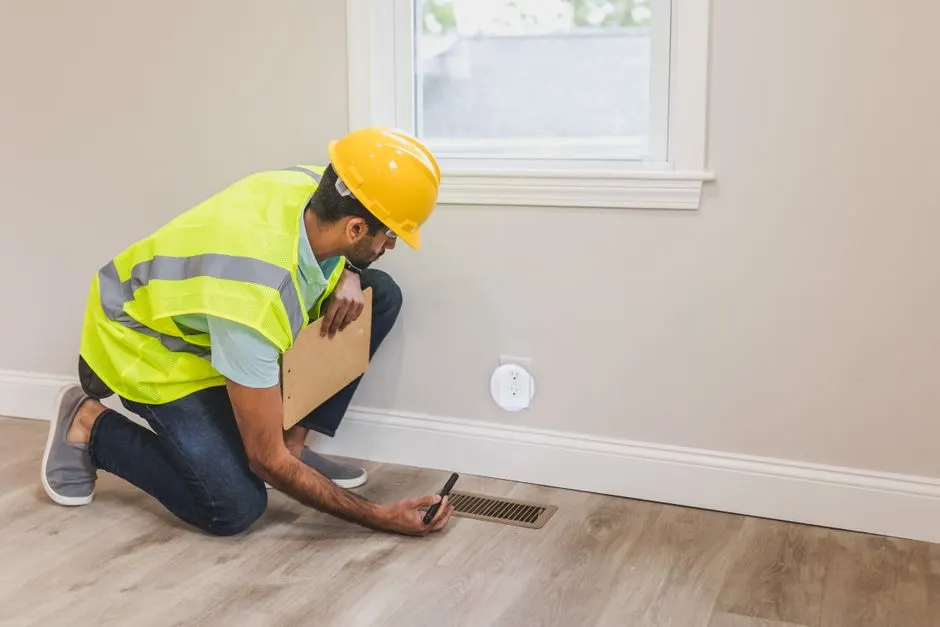 Mold Inspection Near MeBefore remediation starts, a mold inspection near you confirms where growth is active and how far it has spread. We use moisture meters and thermal imaging to map affected cavities in Laguna Woods homes so the remediation scope is accurate.Explore →
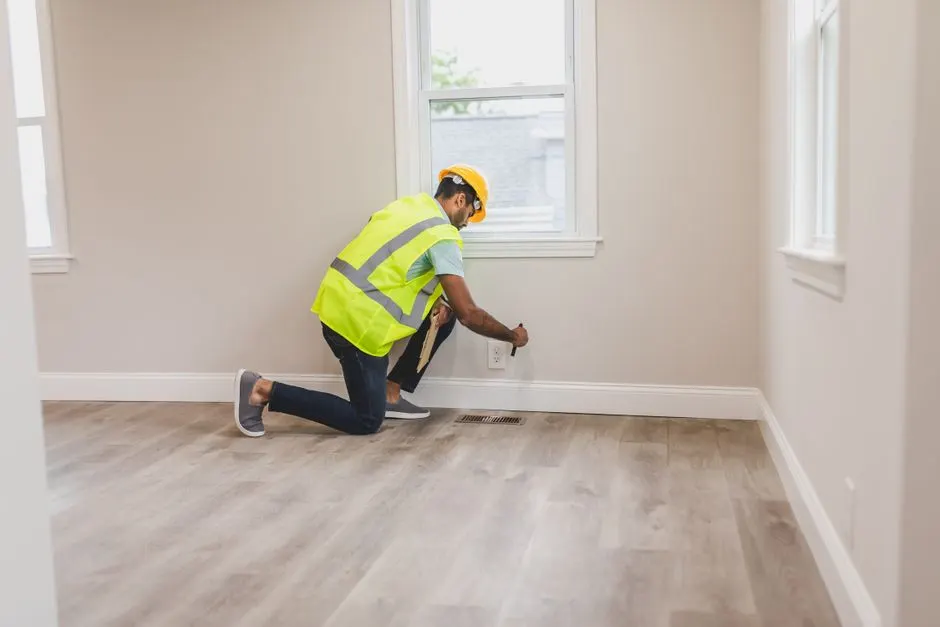 Mold InspectionA full mold inspection identifies visible growth, hidden moisture, and musty odor sources. For Laguna Woods customers with water damage, this step determines whether remediation is needed or whether drying alone will solve the problem.Explore →
 Mold TestingMold testing with air sampling pumps and surface samples tells you what species are present and at what concentration. After water damage in Laguna Woods, testing establishes a baseline before remediation and verifies clearance afterward.Explore →
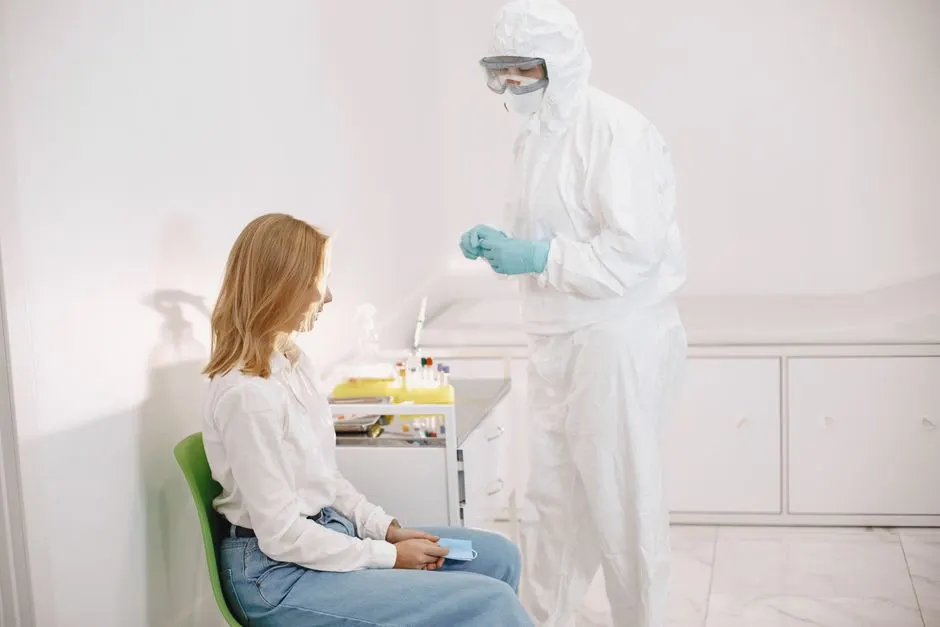 Mold Testing Near MeSame-day mold testing near you is available for Laguna Woods residents who need fast answers after a leak. We collect samples, send them to an accredited lab, and explain results in plain language within a few business days.Explore →
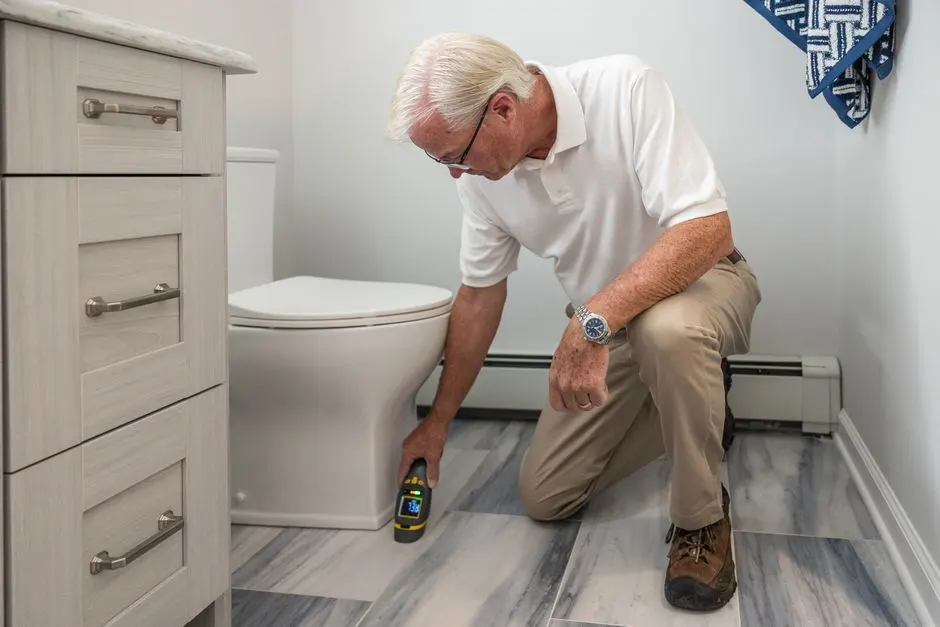 Certified Mold InspectorOur certified mold inspectors hold ACAC CMI and CMR credentials. For Laguna Woods water damage claims, an independent inspection report strengthens your documentation and confirms the scope of work before demolition begins.Explore →
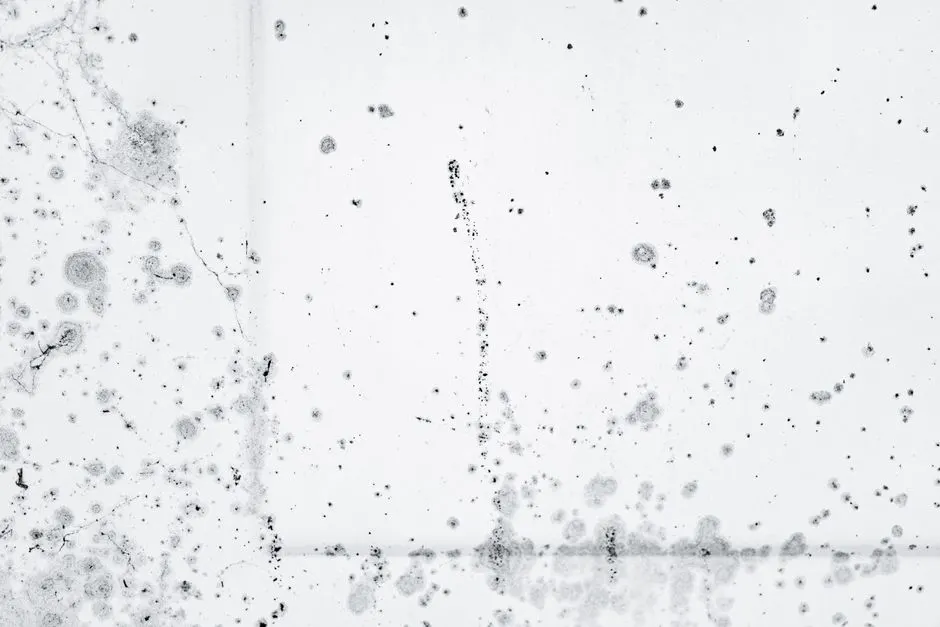 Black Mold InspectionBlack mold growth after water damage needs a targeted inspection. We identify Stachybotrys contamination in Laguna Woods homes, contain the area, and recommend removal protocols that match the severity of the finding.Explore →
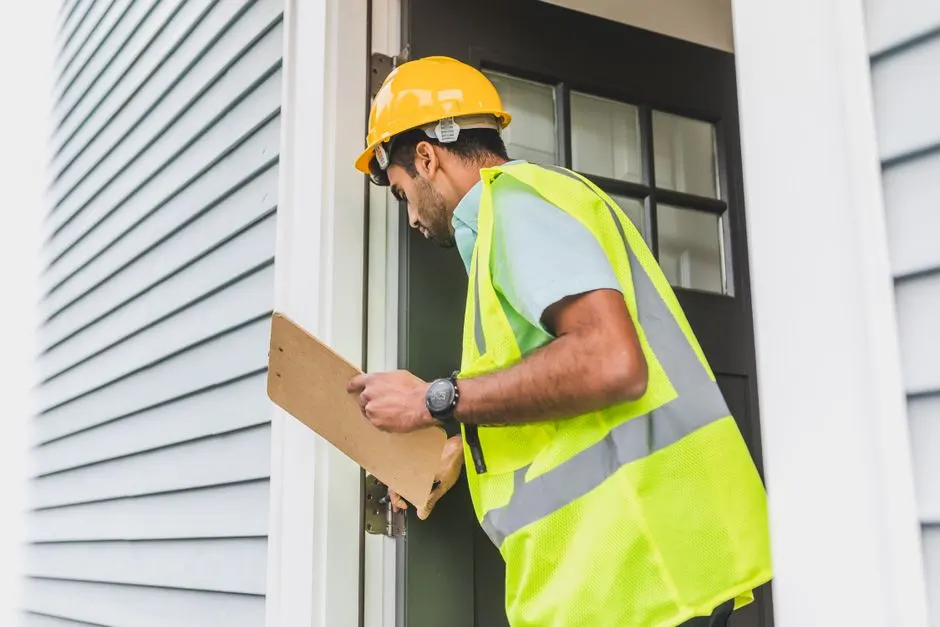 Home Mold InspectionA home mold inspection covers the whole house, not just the visible leak area. In Laguna Woods, we check attics, crawl spaces, bathrooms, and HVAC closets for moisture that feeds mold long after the original water event.Explore →
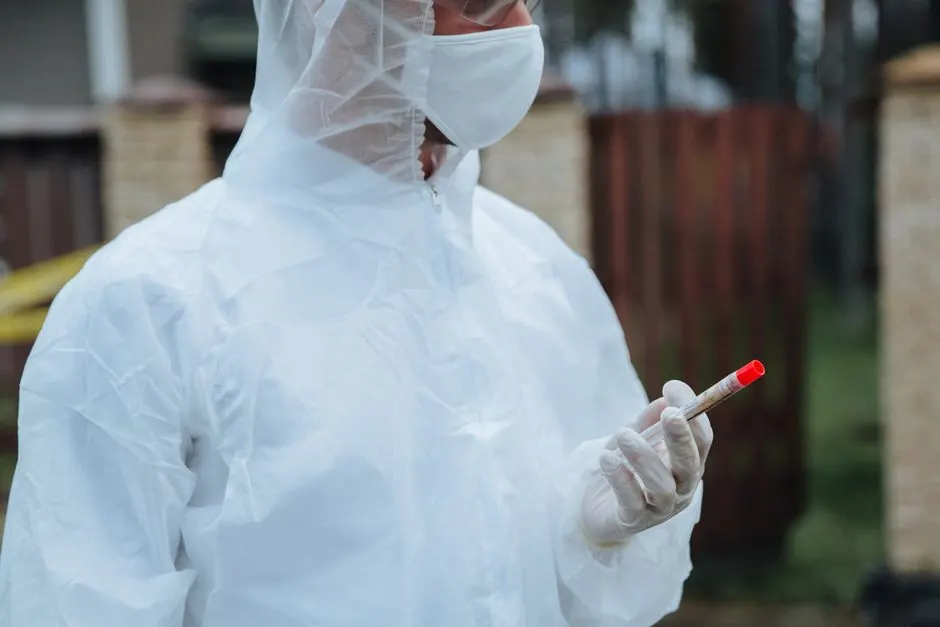 Residential Mold TestingResidential mold testing for Laguna Woods homeowners includes air samples, surface samples, and a written report. It is the fastest way to confirm whether a musty smell after a leak is active mold growth or just residual odor.Explore →
Water damage gets worse by the hour, and mold follows fast. Call our 24/7 line and we will schedule an inspection, often the same day. We are licensed, insured, and IICRC-certified, and we give you a written price before any work begins.
Schedule Inspection (833) 929-5837 →Call (833) 929-5837 or email us and we will get back to you the same business day. We answer emergency calls 24/7, and weekday inspections can often be scheduled the same day. Tell us what you are seeing or smelling and we will tell you what the next step looks like.