Containment, removal, and clearance testing done to S520 standards.

Toxic Mold Removal LAGUNA WOODS CA

Toxic Mold Removal LAGUNA WOODS CA starts with finding the moisture source, not just spraying bleach on visible growth. We contain the affected rooms, pull contaminated drywall and insulation, scrub the air with HEPA filtration, and verify clearance before we call the job done. If you have black mold remediation LAGUNA WOODS on your mind after a leak, a musty smell, or a failed home inspection, call (833) 929-5837 and we will walk the unit with you.

↗
Fast online booking

Request service today

Tell us what is happening. Our local team will confirm your visit shortly.

No spam. No obligation. Just practical help.
Thanks — we'll call shortly to confirm your visit.
Mold Remediation Service near me for LAGUNA WOODS homes
Careful work. Honest options.
About this service

What Toxic Mold Removal LAGUNA WOODS CA Involves

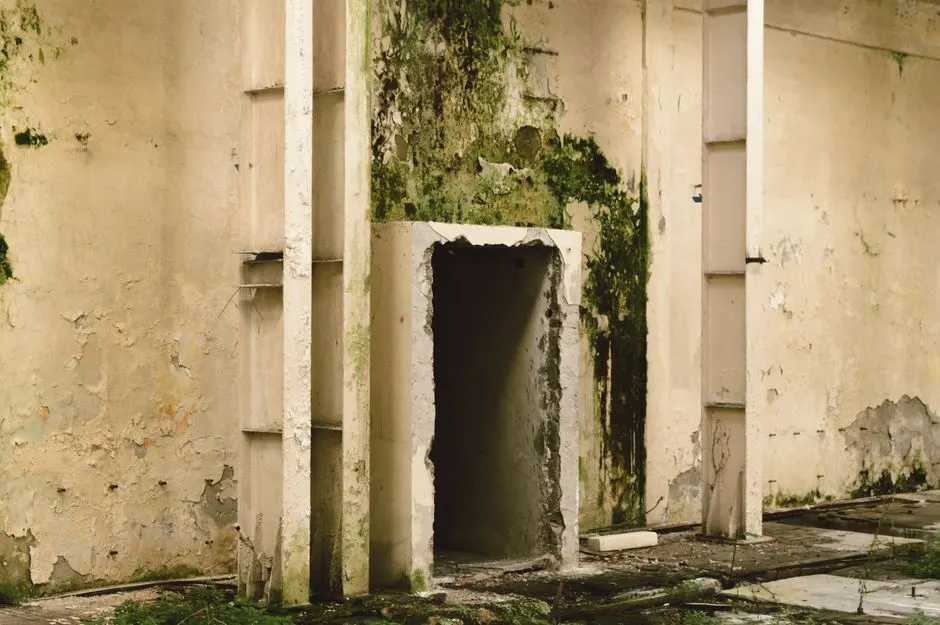
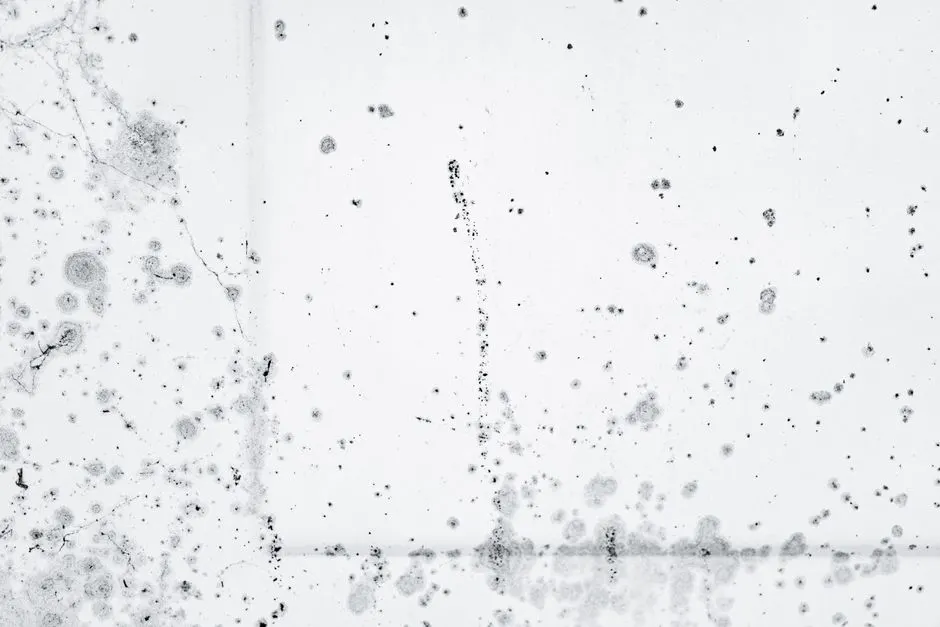
Toxic Mold Removal LAGUNA WOODS CA is a containment-first remediation process that removes mold growth, contaminated building materials, and airborne spores from a home or commercial space. It is needed when mold has spread beyond a small surface patch, when the growth is Stachybotrys or another moisture-driven species, or when occupants report musty odors, headaches, or respiratory irritation. The work is not a wipe-down. It is a controlled demolition and cleaning sequence governed by ANSI/IICRC S520, with air sampling before and after to prove the spore count dropped.

In Laguna Woods, the call usually comes after a slow supply-line leak behind a kitchen wall, a bathroom exhaust fan that vents into the attic instead of outside, or condensation that never dries on single-pane windows. We use a moisture meter and a thermal imaging camera to map the wet zone before we cut anything. If you are searching for toxic mold removal near me LAGUNA WOODS CA because a neighbor had the same problem, the first step is the same: find the water, stop it, then remove the growth.

  • ✓ Verified Clearance, Not Guesswork
  • ✓ Containment That Holds
  • ✓ Odor Gone at the Source
  • ✓ Documentation for Insurance and HOA
What's included

What Is Included in the Removal Scope

Every Toxic Mold Removal LAGUNA WOODS CA scope includes inspection, containment, removal, HEPA cleaning, drying, and clearance sampling. Rebuild work, such as hanging new drywall or reinstalling cabinets, is quoted separately so you can see the remediation cost on its own. Here is what the standard scope covers.

✓

Moisture Inspection and Mapping

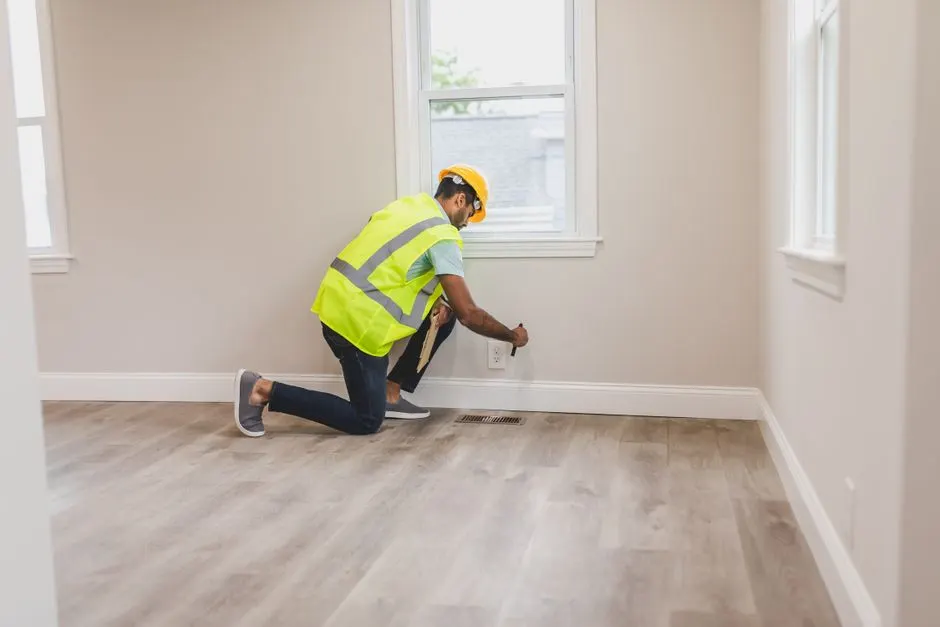
A certified inspector uses a moisture meter, thermal imaging camera, and boroscope to find the water source and map the affected area. You get a written scope with photographs and moisture readings before any work begins.

✓

Containment and Negative Air

We seal the work area with plastic sheeting and duct tape and run a negative air machine with HEPA filters for the duration of the job. That keeps spores from spreading into the rest of your unit or a shared hallway.

✓

Removal of Contaminated Material

Affected drywall, fiberglass insulation, and other porous materials come out in sealed bags. Wood framing and hard surfaces are HEPA-vacuumed and treated with an antimicrobial solution. Heavy growth on framing may be cleaned with dry ice blasting.

✓

Drying and Dehumidification

Dehumidifiers and air movers bring the framing back to a normal moisture content, usually below 16 percent on a pin meter. We do not remove containment until the structure is dry and the clearance sample is collected.

✓

Clearance Air Sampling

An air sampling pump collects a spore-trap cassette inside the containment and another outdoors as a control. Lab results typically return in 24 to 48 hours. If the indoor count is not at or below the outdoor control, we re-clean before removing containment.

✓

Documentation Packet

You receive photos, moisture readings, the written scope, and the lab report. That packet is what insurance adjusters and the Laguna Woods Village architectural office ask for, and it protects you at resale.

How it works

How the Removal Process Runs

01

Inspection and Moisture Mapping

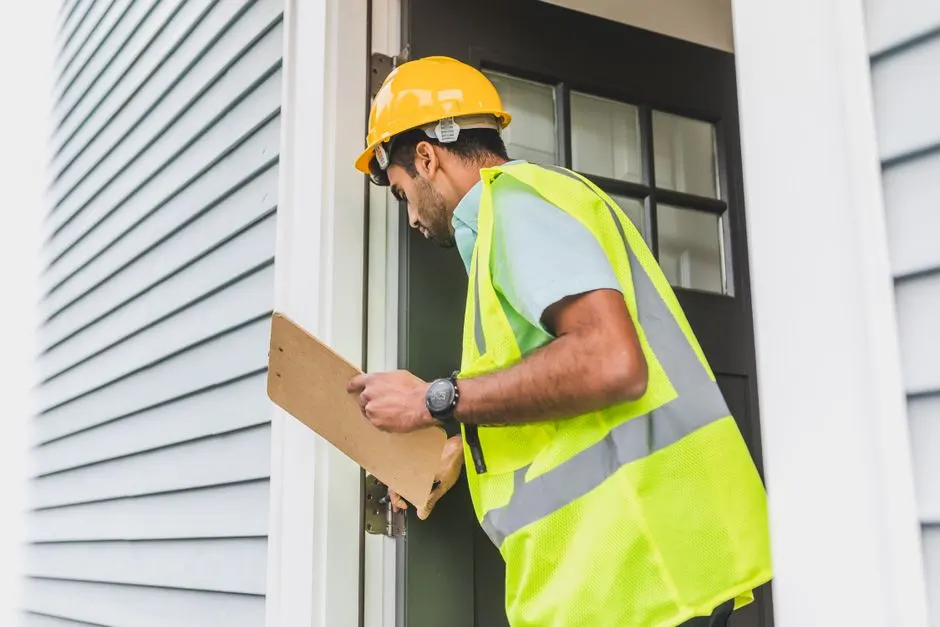
A certified inspector walks the unit with a moisture meter, a thermal imaging camera, and a boroscope inspection camera for wall cavities. We identify the water source, the extent of the growth, and whether the HVAC system is involved. This visit takes 45 to 90 minutes and ends with a written scope and a price, not a range.

02

Containment and Air Filtration

We build a containment barrier with plastic sheeting and duct tape, install a negative air machine with HEPA filters, and set up an air scrubber inside the work zone. Negative pressure keeps spores moving toward the filter instead of into your living room. Setup takes about an hour on a typical bathroom or closet job.

03

Removal and HEPA Cleaning

Contaminated drywall, fiberglass insulation, and any porous material come out in sealed bags. Wood framing and hard surfaces get HEPA-vacuumed, then treated with an antimicrobial solution. For heavy growth on framing, we use dry ice blasting machine cleaning, which lifts mold off wood without gouging the surface. Removal on a 100-square-foot wall cavity runs 4 to 8 hours.

04

Drying and Verification

We set dehumidifiers and air movers to bring the framing back to a normal moisture content, usually below 16 percent on a pin meter. Once dry, an air sampling pump pulls a spore-trap cassette inside the containment and another outdoors. The lab turnaround is typically 24 to 48 hours.

05

Clearance and Rebuild Handoff

If the lab results clear, we remove the containment and give you the full documentation packet. If you need the drywall replaced, we can scope that as a separate step or hand the clearance report to your contractor. Either way, you are not left guessing whether the job worked.

Tools & methods

Tools and Methods We Use

Purpose-built equipment, used by trained technicians — so the job is done accurately the first time.

Moisture Meter

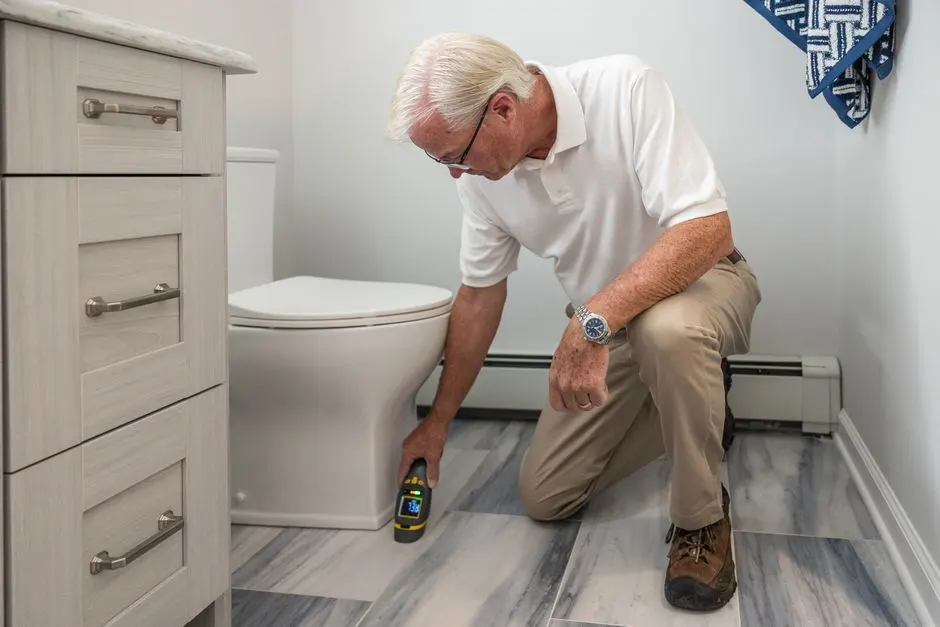
Pin and pinless meters measure moisture content in drywall, wood framing, and subfloor. We use readings to define the affected area and to confirm the structure is dry before clearance.

Thermal Imaging Camera

Thermal imaging shows temperature differences that reveal hidden moisture behind walls and ceilings. It lets us find the wet zone before we cut, which keeps the removal scope accurate.

Boroscope Inspection Camera

A boroscope looks inside wall cavities and ceiling spaces through a small hole. It confirms growth behind drywall without a large demolition cut.

Negative Air Machine with HEPA Filters

The negative air machine keeps the containment under negative pressure and filters airborne spores. We run it for the entire job, not just during demolition.

Air Scrubber

An air scrubber circulates air through HEPA filters inside the containment to reduce airborne spore counts. It runs continuously during removal and cleaning.

HEPA Vacuum

HEPA vacuums capture fine dust and spores from framing and hard surfaces. We vacuum before and after antimicrobial treatment so the solution reaches the surface.

Air Sampling Pump

A calibrated pump pulls air through a spore-trap cassette for lab analysis. We sample before removal and after drying to prove clearance.

Dry Ice Blasting Machine

CO2 pellets lift mold off wood framing without sanding or gouging. It is faster and cleaner than wire brushing on structural lumber.

Real results

Before and after.

Kitchen Cabinet Wall After Supply-Line Leak

Before

A slow leak under the kitchen sink soaked the cabinet base and the drywall behind it. The drywall paper was black with growth, the insulation was saturated, and the musty smell had spread into the adjacent hallway. Moisture readings on the framing were above 24 percent.

After

We contained the kitchen, removed the cabinet base, drywall, and insulation, HEPA-vacuumed and treated the framing, and dried the cavity to below 14 percent. The clearance sample came back at outdoor control levels. The plumber replaced the supply line before we closed the wall.

Attic Sheathing Above a Bathroom

Before

The bathroom exhaust fan vented into the attic, and moisture condensed on the roof sheathing. Black growth covered roughly 60 square feet of sheathing and the top plates of two walls. The attic smelled musty whenever the fan ran.

After

We removed the contaminated sheathing sections, HEPA-vacuumed the framing, treated the top plates, and corrected the vent so it terminates outside the roof. Post-remediation sampling cleared in 48 hours, and the corrected vent was documented for the HOA file.

Crawl Space Joists in a Moulton Meadows Unit

Before

No vapor barrier and a downspout that discharged near the foundation kept the crawl space humid. Joists and subfloor showed surface growth across about 200 square feet, and the floor above felt damp. The smell traveled up through the flooring.

After

We removed the growth from the joists and subfloor, treated the framing, installed a 6-mil vapor barrier, and rerouted the downspout. Moisture content in the joists dropped from 22 percent to 13 percent, and the odor in the living space cleared within a week.

Problems we solve

Problems We Solve for Laguna Woods Homes

Most mold calls start with a water problem that was ignored or hidden. Here are the ones we see most often in Laguna Woods, and what happens if they are left alone.

Ask a pro →
01

Slow supply-line leak behind a kitchen or bathroom wall

We locate the leak with a moisture meter and thermal camera, stop the water, remove the wet drywall and insulation, HEPA-clean the framing, and verify clearance with air sampling. If a plumber is needed, we tell you before removal starts.

↗
02

Bathroom exhaust fan venting into the attic

We test the attic sheathing and framing, remove contaminated material, and correct the vent so it terminates outside the roof. Attic mold testing and removal is scoped separately, and we document the corrected venting for your records.

↗
03

Condensation on single-pane windows and cold walls

We remove the affected sill and wall material, treat the framing, and recommend a humidity control plan. A dehumidifier sized for the unit and better ventilation usually stops the cycle.

↗
04

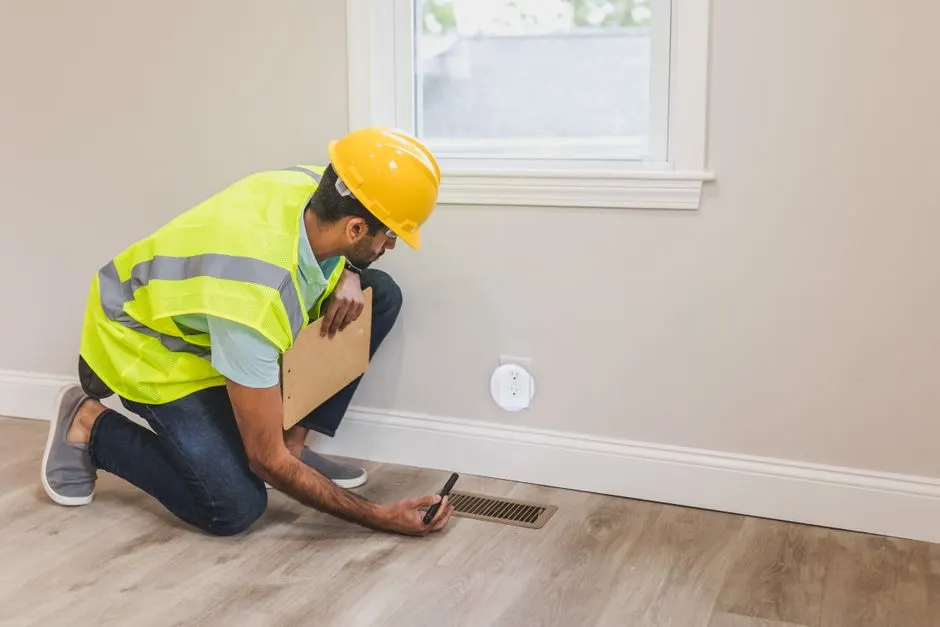
HVAC air handler and duct contamination

We inspect the air handler and ductwork, contain the affected area, clean the components that can be cleaned, and remove material that cannot. Clearance sampling confirms the air is clean before the system goes back into normal service.

↗
Proof you can check

Credentials and Reviews

✓
IICRC AMRT (Applied Microbial Remediation Technician)Institute of Inspection, Cleaning and Restoration Certification
✓
IICRC WRT (Water Restoration Technician)Institute of Inspection, Cleaning and Restoration Certification
✓
EPA Lead-Safe CertifiedU.S. Environmental Protection Agency
✓
California Contractors State License Board (CSLB) Licensed ContractorCalifornia Contractors State License Board
Good questions

Frequently Asked Questions

(833) 929-5837 →

Most residential jobs in Laguna Woods run $1,200 to $4,500 in 2026, with a small contained bathroom or closet at the low end and a multi-room job with HVAC involvement at the high end. The price depends on the square footage of affected material, whether drywall and insulation have to come out, and whether air sampling is required for clearance. We give a fixed written price after the inspection, so you are not guessing.

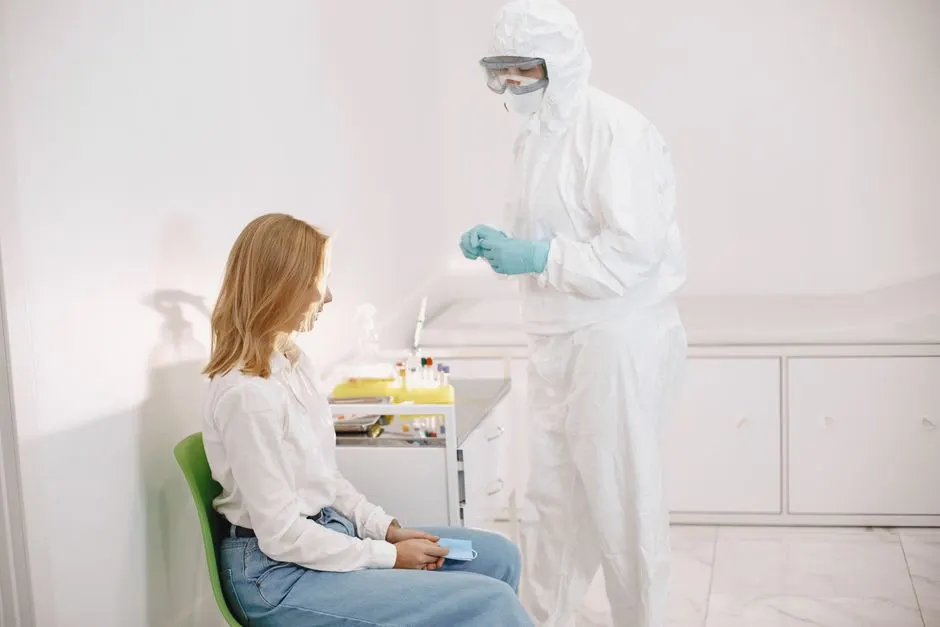
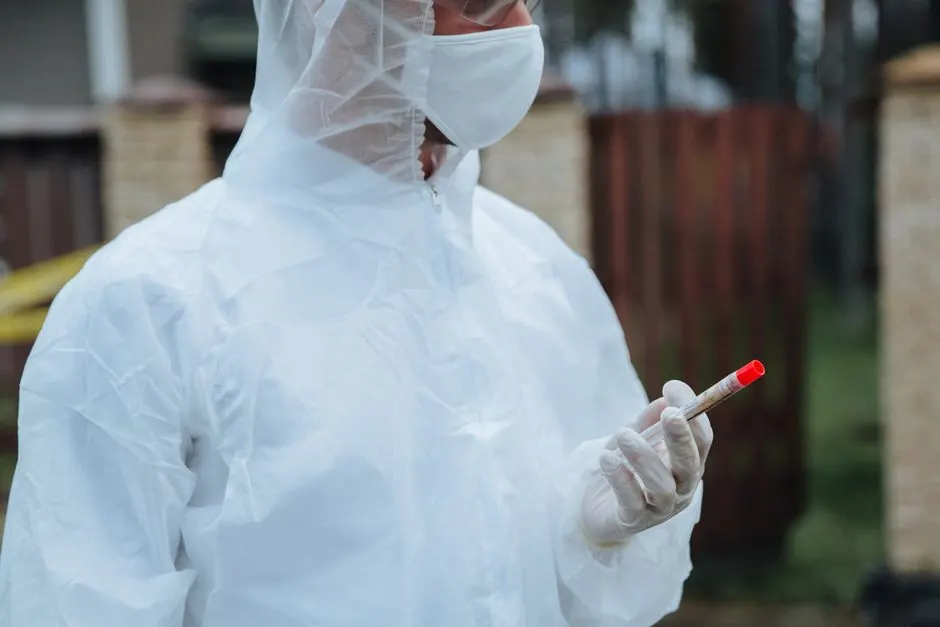
The remediation itself is not dangerous when it is done with containment and HEPA filtration, but disturbing mold growth without those controls is. Dry scraping or sanding Stachybotrys releases spores into the air, and those spores can travel through a condo's shared HVAC or hallway. Our crews wear respirator cartridges and disposable coveralls, and we keep the work area under negative pressure so your unit stays habitable during the job.

You cannot confirm toxic mold by color or smell alone. The reliable signs are a musty odor that does not go away, visible growth on drywall or framing, condensation on windows, and a history of water damage or a leak. Confirmation comes from air sampling or a surface sample analyzed by a lab. If you are searching for toxic mold removal near Laguna Woods Village CA, start with an inspection that includes moisture readings and a sample, not a visual guess.

We do, and we cover all of Laguna Woods including Laguna Woods Village, Leisure World, and the El Toro Road Corridor. Call (833) 929-5837 and we will schedule an inspection, usually within 24 hours for non-emergency calls and same-day for active water intrusion. We serve ZIP codes 92637 and 92654 and the surrounding Orange County area.

Ready when you are

Schedule Toxic Mold Removal LAGUNA WOODS CA

Call (833) 929-5837 and we will schedule an inspection, usually within 24 hours. You get a written scope, a fixed price, and lab-verified clearance when the job is done. We serve all of Laguna Woods and the surrounding Orange County area.

Book an Inspection (833) 929-5837 →
Request an appointment

Contact Our Laguna Woods Team

Call (833) 929-5837 or email us and we will get back to you the same business day. We answer emergency calls 24/7, and weekday inspections can often be scheduled the same day. Tell us what you are seeing or smelling and we will tell you what the next step looks like.

Request received — our team will be in touch shortly.
Tap to call(833) 929-5837