Remediation was done but never verified
We sample the air and surfaces and compare indoor counts to an outdoor baseline. If the job failed, you find out before the drywall goes back up, not after. Our report tells you which area failed and why.
Post Remediation Mold Testing LAGUNA WOODS CA is the final proof your home is actually clean, not just visually dry. We run clearance mold testing in LAGUNA WOODS after every remediation, using air sampling pumps and moisture meters to confirm spore counts are back to normal before you rebuild, repaint, or close a real estate deal. If you had water damage from a leak, a slab pipe, or a monsoon-season window failure, this is the step that tells you it is safe to move back in.
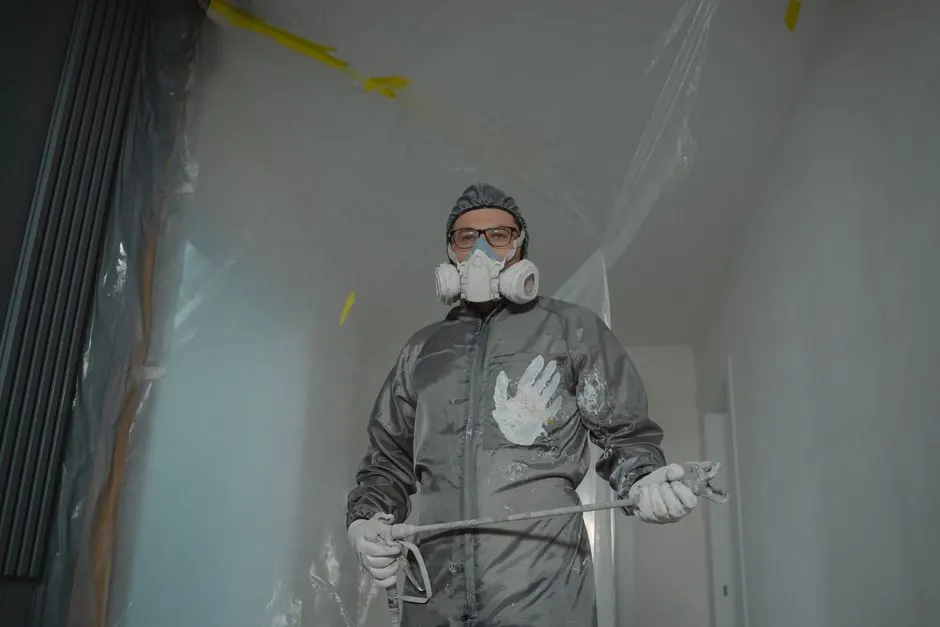
Post Remediation Mold Testing LAGUNA WOODS CA is the independent verification step that follows any mold cleanup, and it is the only way to know the job actually worked. We set up air sampling pumps inside the contained area and in a clean reference zone, pull spore trap samples, and compare the counts. A moisture meter and thermal imaging camera check that wood framing, drywall, and fiberglass insulation are dry to the core, not just dry to the touch. If the numbers do not clear, we tell you what failed and why.
Most LAGUNA WOODS calls come from two places: a water damage event that was dried out fast and never verified, or a slow leak behind drywall that a homeowner only noticed from a musty odor. In a 55-plus community with a lot of original 1960s and 1970s construction, that second scenario is common. If you are searching for post remediation mold testing near me LAGUNA WOODS CA, we can usually get a technician out the same day to sample and give you a written clearance report.
Every clearance job includes the sampling, the lab analysis, and the written report. Here is what is covered in a standard visit, and what we quote separately when the scope is larger than a single room.
We check wood framing, drywall, and insulation with a moisture meter and thermal imaging camera before sampling. If the structure is still wet, the test is not valid and we tell you so before you pay for lab work.
An air sampling pump pulls a known volume of air through a spore trap inside the work area, plus one outdoor baseline sample. The lab reports counts per cubic meter by species, which is the number that determines pass or fail.
Where visible residue or a suspect surface remains, we take tape or swab samples and send them to the lab. Surface results tell us whether the cleaning actually removed contamination or just painted over it.
Samples go to an accredited third-party lab, not an in-house bench. Results typically return in 24 to 48 hours, and rush turnaround is available when escrow or a move-in date is pressing.
You get a written report with sample locations, lab data, indoor versus outdoor comparison, and a clear pass or fail. It is the document you hand to a buyer, an insurer, or a contractor before the rebuild starts.
We walk the remediated area with a moisture meter and thermal imaging camera before sampling. If framing or drywall still reads wet, we stop and tell you the job is not ready for clearance. Sampling wet material wastes your money and gives a false fail.
We confirm the negative air machine and plastic sheeting are still sealed and that the air scrubber ran long enough. A compromised containment lets spores migrate and skews the sample. This check takes about 15 minutes and is the difference between a valid test and a useless one.
We run an air sampling pump inside the work area and one outdoors as a baseline, then take tape or swab samples from any suspect surface. Samples go to an accredited lab, and results usually come back in 24 to 48 hours. Rush results are available when escrow or a move-in date is pressing.
The lab reports spore counts by species for each sample. We compare indoor to outdoor counts and flag anything elevated. You get a written clearance report with the raw data attached, which is what an inspector, buyer, or property manager will ask for.
If the numbers clear, you get the green light to rebuild. If they do not, we tell you exactly which area failed, what likely caused it, and what needs to be re-cleaned or re-dried. We do not charge you for a second opinion on our own failed test.
Purpose-built equipment, used by trained technicians — so the job is done accurately the first time.
Pulls a calibrated volume of air through a spore trap so the lab can report counts per cubic meter. Calibration is checked before every job.
Reads moisture content in wood framing and drywall. We use it to confirm the structure is dry before sampling, because a wet wall cannot pass.
Finds temperature differences that indicate hidden moisture behind drywall and in ceiling cavities without cutting into the surface.
Lets us look inside wall cavities and duct interiors where a visual inspection cannot reach, so sampling targets the right area.
Used during cleanup and again before sampling to remove settled spores that would otherwise skew the air test.
Maintains containment and filters airborne spores during remediation. We confirm they ran long enough before we pull clearance samples.
Brings structural moisture down to a level where clearance sampling is valid. We check readings before scheduling the test.
A Laguna Woods Village homeowner had a bathroom ceiling cleaned after a roof leak. The remediation company said it was dry and ready to paint. The homeowner wanted a second opinion before repainting, and our moisture meter read 22 percent in the ceiling framing, well above the 15 percent threshold for a valid clearance test.
We flagged the wet framing and recommended another 48 hours of drying with a dehumidifier. The second moisture check read 11 percent, and the clearance test came back with indoor spore counts at or below the outdoor baseline. The ceiling was painted two days later with no rework.
A seller near Gate 12 had a buyer's inspector flag a musty odor in the attic. Escrow was two weeks out and the buyer was ready to walk without documentation. The attic had a prior roof leak that was repaired but never verified.
We sampled the attic air and the HVAC return, and the lab report came back in 36 hours with counts at normal outdoor levels. The written report went into the disclosure package, and the buyer's agent removed the objection. The deal closed on schedule.
A property manager in Leisure World had a crawl space cleaned after a plumbing leak. The cleanup crew wanted to install a new vapor barrier the same week. The subfloor joists were still reading wet on our meter, and the first clearance sample would have failed.
We recommended two more days of drying with a dehumidifier and a fan. The follow-up moisture check passed, the clearance test cleared, and the vapor barrier went down on a dry subfloor. The unit has had no musty odor complaints since.
A clearance test answers the question that visual inspections cannot: is the mold actually gone, or does it just look gone? These are the problems we solve most often in LAGUNA WOODS.
Ask a pro →We sample the air and surfaces and compare indoor counts to an outdoor baseline. If the job failed, you find out before the drywall goes back up, not after. Our report tells you which area failed and why.
We use a boroscope inspection camera to check inside wall cavities and the HVAC closet, then sample the air. If the source is active, we tell you where it is so the cleanup is targeted instead of guessed.
A final mold clearance inspection LAGUNA WOODS with lab results in hand gives buyers and agents a document they can close on. We can usually sample within 24 hours and report within 48.
We provide an independent, lab-backed report with raw data attached. It is not tied to selling you a second remediation, so the pass or fail is honest.
Most residential clearance tests run $250 to $600 in 2026, depending on how many rooms and samples are involved. A single-room air sample with one outdoor baseline sits at the low end; a full home with HVAC sampling and multiple surface samples sits at the high end. Rush lab turnaround adds a fee. We quote the sample count before we start, so there is no surprise on the invoice.
Clearance mold testing in LAGUNA WOODS is the post-cleanup verification that confirms spore counts have returned to normal after remediation. We sample the air inside the work area and outdoors as a baseline, then compare the two. If indoor counts are at or below outdoor levels and no water-damage species are elevated, the job passes. It is the step that proves the remediation actually worked.
Wait 24 to 72 hours after the containment comes down and the area is dry to the core. Sampling too soon catches settled dust from the cleanup itself and gives a false fail. We check moisture with a meter first; if framing still reads above 15 percent, we reschedule rather than charge you for a test that cannot pass.
We do, and we cover all of Laguna Woods Village from Gate 1 through Gate 16, plus Leisure World and the surrounding Orange County area. Call (833) 929-5837 and we can usually schedule a same-day or next-day visit. We serve ZIP codes 92637 and 92654 and provide written lab-backed clearance reports.
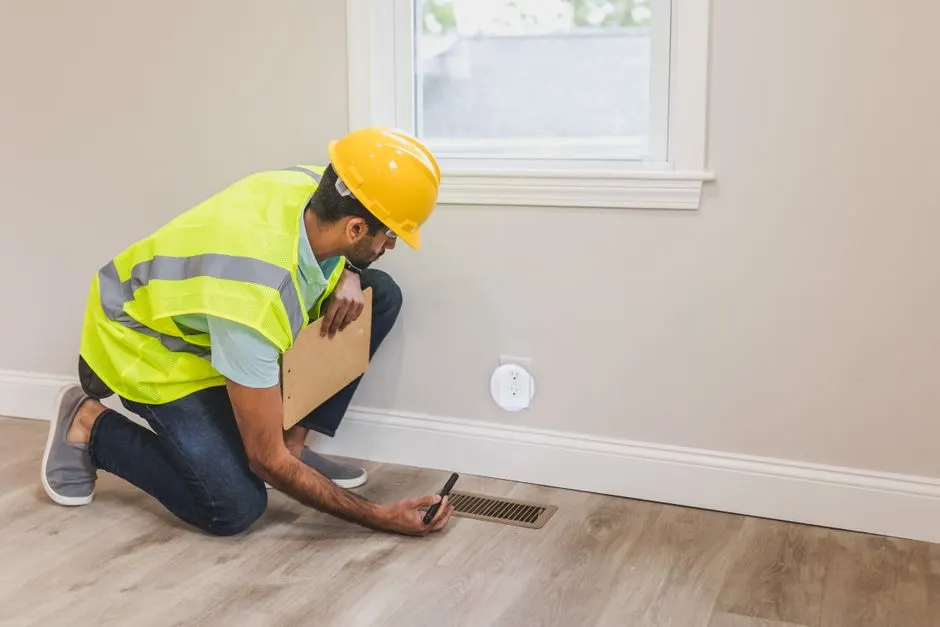 Mold Inspection Near MeA full visual and moisture inspection is the step before remediation, and it is what tells you whether clearance testing is even the right next move. We map the affected area and identify the water source so the cleanup targets the right zone.Explore →
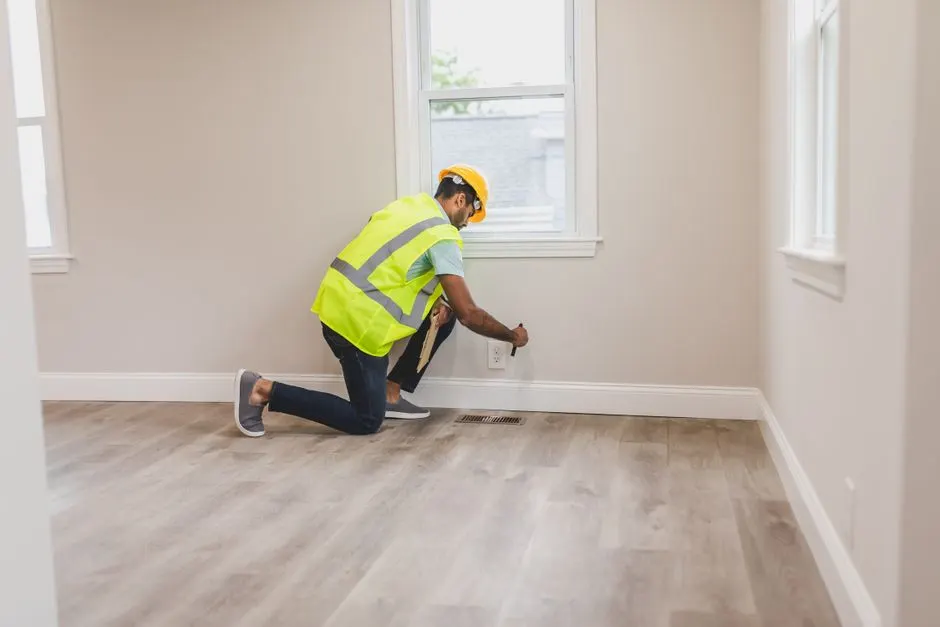 Mold InspectionOur standard mold inspection covers the whole home, including attic, crawl space, and HVAC, and it pairs naturally with post remediation mold testing in LAGUNA WOODS, California when you need a before-and-after record.Explore →
 Mold TestingGeneral mold testing identifies what species are present and at what levels. When you need clearance mold testing LAGUNA WOODS, we use the same sampling equipment and lab pipeline, just applied after the cleanup instead of before.Explore →
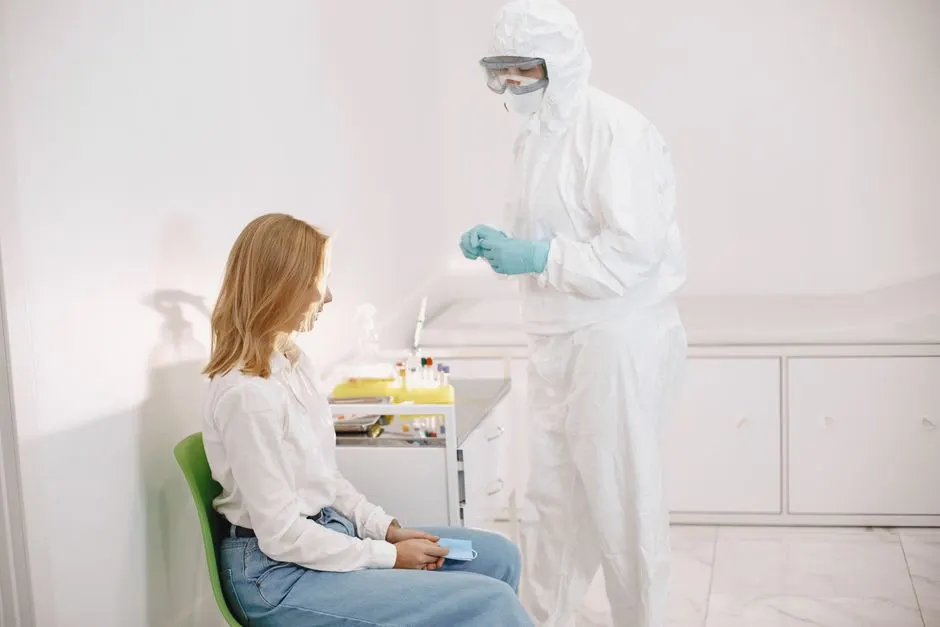 Mold Testing Near MeIf you are searching for mold testing near me in LAGUNA WOODS, we cover the same-day slots and the same lab-backed reporting you get on a clearance job. It is the fastest way to find out whether a musty room is a real problem.Explore →
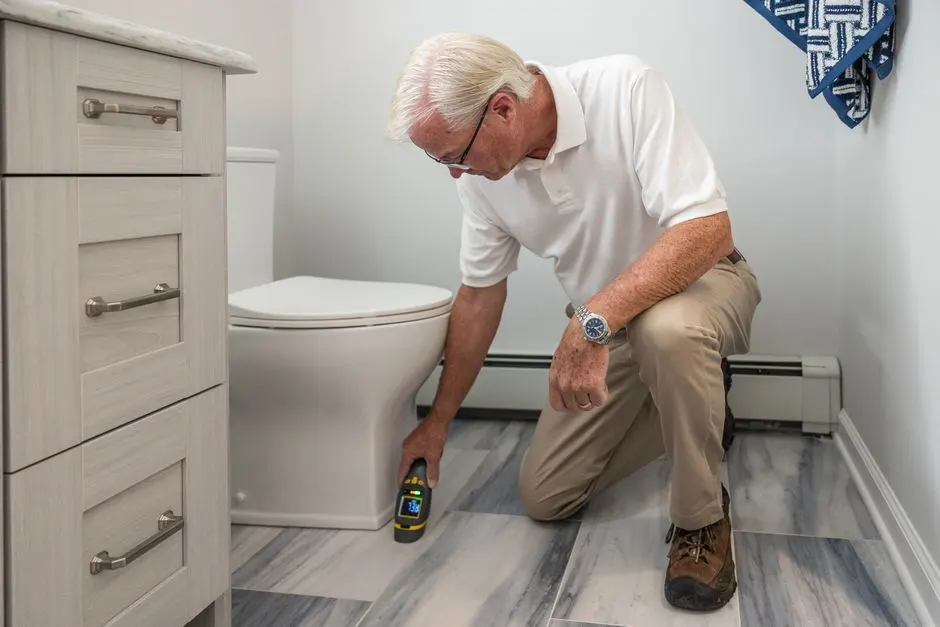 Certified Mold InspectorA certified mold inspector documents conditions and interprets lab results. Our IICRC AMRT and WRT certified technicians handle both the inspection and the post remediation verification LAGUNA WOODS CA report, so the same standard applies end to end.Explore →
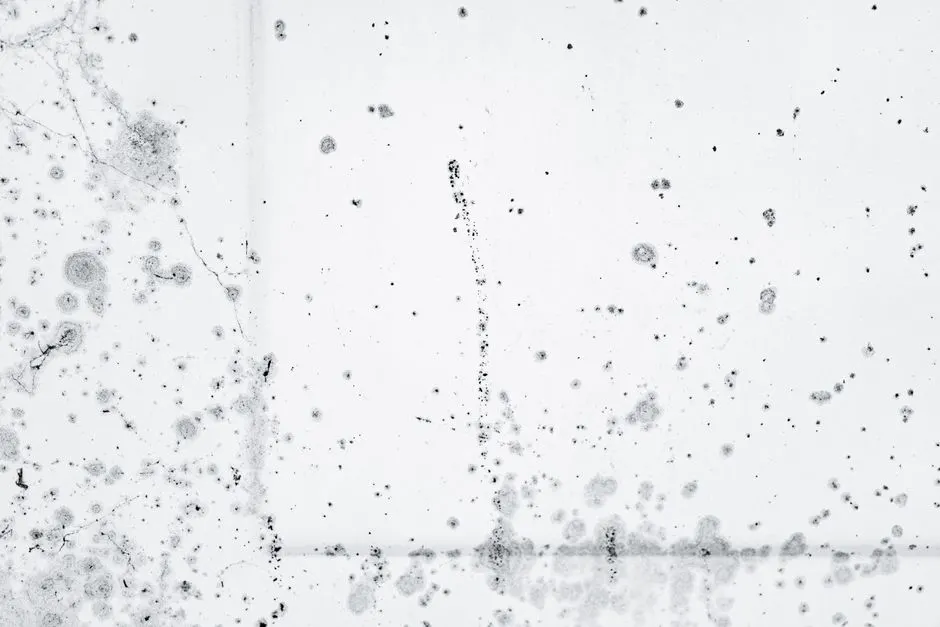 Black Mold InspectionBlack mold growth needs species-level identification, not a visual guess. Our black mold inspection includes surface sampling and lab analysis, and the results feed directly into the clearance test that follows remediation.Explore →
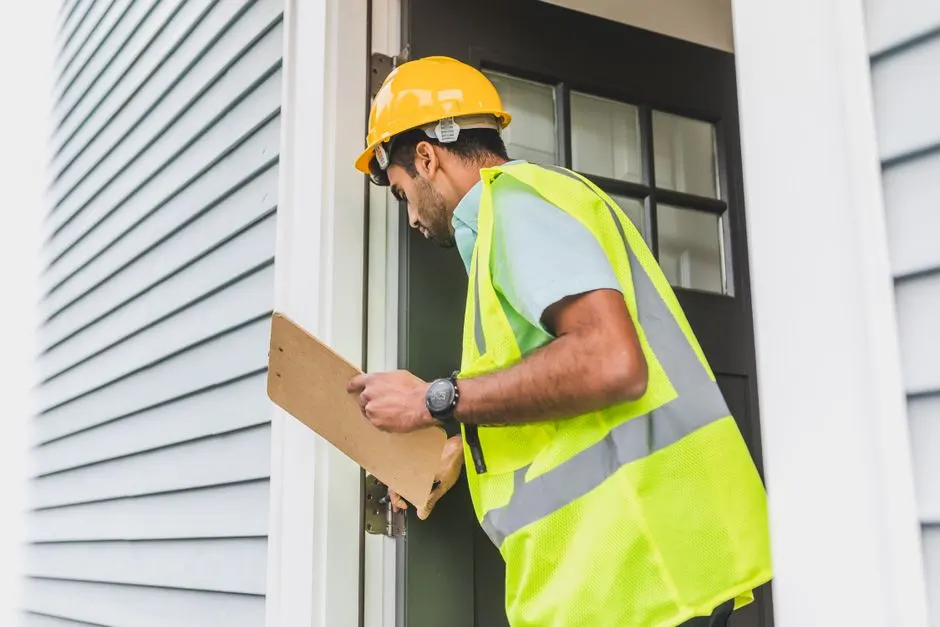 Home Mold InspectionA home mold inspection covers every likely moisture zone: bathrooms, attic, crawl space, and the HVAC closet. It is the right starting point before remediation and the right companion to a final mold clearance inspection LAGUNA WOODS after the work is done.Explore →
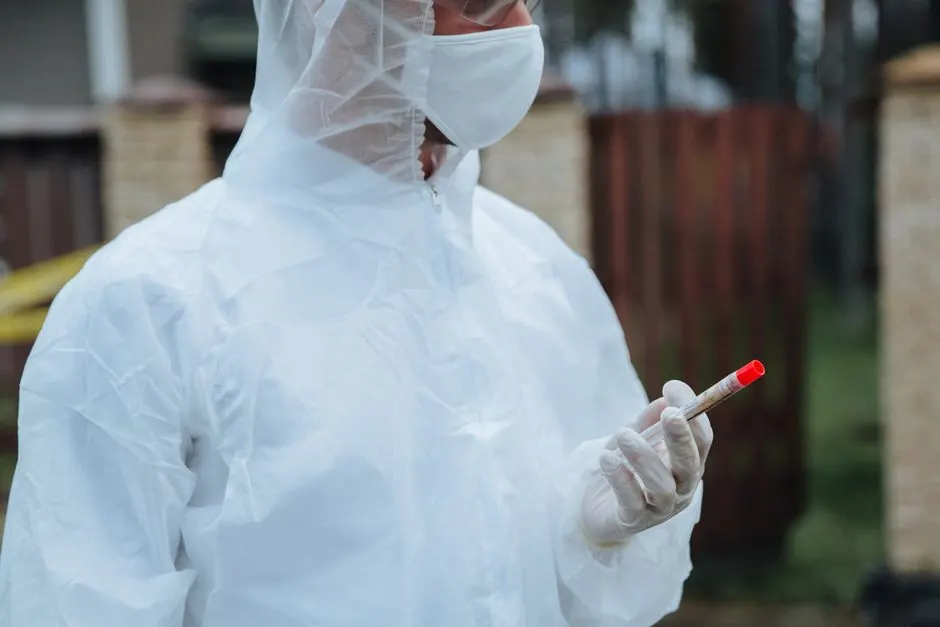 Residential Mold TestingResidential mold testing is built for single-family homes and condos, including the original 1960s and 1970s builds common in Laguna Woods Village. We tailor the sample count to the size and layout of your unit.Explore →
Get a lab-backed clearance report before the drywall goes back up. We are licensed, insured, and we quote the sample count before we start. Call (833) 929-5837 and we will schedule your clearance mold testing in LAGUNA WOODS, usually same day.
Book Clearance Testing (833) 929-5837 →Call (833) 929-5837 or email us and we will get back to you the same business day. We answer emergency calls 24/7, and weekday inspections can often be scheduled the same day. Tell us what you are seeing or smelling and we will tell you what the next step looks like.