Musty odor with no visible growth
We use a boroscope inspection camera to find the source, then fog the cavity and attic space. An air scrubber clears the remaining spores, and most customers notice the smell drop within 24 to 48 hours.
Mold Fogging Treatment LAGUNA WOODS CA is the fine-mist application that pushes an antimicrobial fog into the gaps, joists, and ductwork a sponge never touches. We run it for Laguna Woods Village condo owners, Leisure World residents, and property managers across Orange County who have musty odors or visible growth after a leak. Our mold fogging remediation LAGUNA WOODS crews treat the whole envelope, not just the wall you can see.
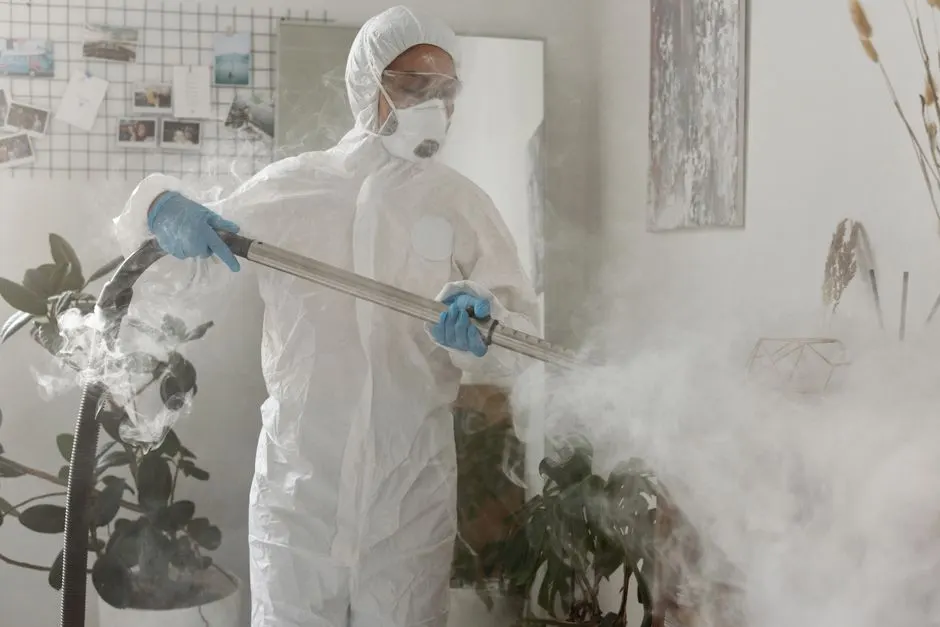
Mold Fogging Treatment LAGUNA WOODS CA is a whole-area application that turns a liquid antimicrobial into a fog and drives it into enclosed spaces. We use a fogger to fill attics, crawl spaces, wall cavities, and HVAC plenums with a fine mist that settles on wood framing, fiberglass insulation, and drywall paper. The droplets are small enough to travel where a spray bottle can't, which is why it works on the hidden growth behind drywall and above ceiling tiles. It is not a cover-up; it is a contact treatment that kills surface mold and spores on every exposed surface in the treated volume.
Most Laguna Woods calls start with a smell, not a stain. Condo units in Laguna Woods Village share walls and attic space, so a slow leak in one unit can seed growth in the next. High indoor humidity and condensation on windows make it worse. If you have searched mold fogging treatment near me LAGUNA WOODS CA after a bathroom fan failed or a roof leak stained a ceiling, this is the step that follows removal and drying. We pair it with moisture readings so we are fogging a dry space, not sealing in a problem.
Every fogging job includes the steps that make the treatment work: inspection, containment, drying verification, the fog pass, and post-treatment sampling. Removal of damaged material and reconstruction are separate scopes, and we tell you upfront if your job needs them.
We read the space with a moisture meter and thermal imaging camera before we fog. If a cavity is wet, fogging waits until it is dry, because mist on wet wood does not fix the source.
Plastic sheeting and duct tape seal the work area, and a negative air machine with a HEPA filter keeps spores from spreading. This protects the rest of your Laguna Woods unit while we work.
We fog the contained volume with a product matched to the surface, using Concrobium, Benefect, or Fiberlock. The fogger reaches joists, insulation, and cavity surfaces that hand-wiping cannot.
After the fog pass we run an air scrubber with a HEPA filter to pull remaining spores from the air. This is the step that clears the musty odor fastest.
We take a baseline sample before treatment and a post-treatment sample after, using an air sampling pump. You get both results, which helps with insurance claims and condo sale disclosures.
We start with a moisture meter and a thermal imaging camera to find wet material and cold spots that hide condensation. A boroscope inspection camera goes into wall cavities. On a Laguna Woods Village condo this takes 45 to 90 minutes, and it tells us whether fogging is the right step or whether material has to come out first.
We set plastic sheeting and duct tape to seal doorways and isolate the HVAC system. A negative air machine with a HEPA filter keeps spores from drifting into the rest of the unit while we work. Containment is what separates a real fogging job from a guy with a sprayer and a mask.
Fogging a wet cavity traps moisture. We run a dehumidifier and air movers until wood framing reads within normal range on the moisture meter, then HEPA vacuum loose debris and dust. This step can add a day if there was active water damage from leaks.
We fill the contained volume with antimicrobial fog using a fogger, working top-down so the mist settles on joists, insulation, and framing. We use products from Concrobium, Benefect, or Fiberlock depending on the surface and the sensitivity of the occupants. The fog pass itself is usually 30 to 60 minutes.
After the re-entry window we take air samples with an air sampling pump and compare them to a baseline. We leave you a written summary of what was treated and a maintenance plan. If post remediation mold testing shows spores still elevated, we tell you what the next step is before we close the job.
Purpose-built equipment, used by trained technicians — so the job is done accurately the first time.
Finds cold spots and hidden moisture behind drywall before we fog, so we treat the right area.
Reads wood framing and drywall to confirm the space is dry enough for fogging to work.
Looks inside wall cavities and plenums without cutting open the wall.
Pulls loose spores and dust from surfaces and air before and after the fog pass.
Keeps the contained work area under negative pressure so spores do not drift into the rest of the unit.
Turns the antimicrobial into a fine mist that reaches joists, insulation, and cavity surfaces.
Takes before and after air samples so we can confirm the treatment reduced the spore count.
A 1,100-square-foot Laguna Woods Village condo had a musty smell in the second bedroom for three months. The bathroom fan had failed, and the wall cavity behind the shower read wet on the moisture meter. Visible growth was limited to the cavity and the adjacent attic joists.
We dried the cavity, contained the area, HEPA vacuumed, and fogged the cavity and attic. Post-treatment air sampling showed the spore count dropped to a normal range, and the odor was gone within 48 hours.
A Leisure World home had a repaired roof leak but visible growth on attic joists and insulation. The homeowner was worried about selling the unit. Moisture readings showed the wood was dry, but the growth was spread across two joist bays.
We contained the attic, HEPA vacuumed the loose material, and fogged the joist bays and insulation. The job took three hours on site, and the before and after sampling results were included in the sale disclosure.
A small commercial building had growth in the HVAC return plenum. The building manager noticed a musty smell each time the system started. The plenum and accessible ductwork were affected, and filters were loaded with spores.
We isolated the system, fogged the plenum and accessible ductwork, changed the filters, and ran an air scrubber. The system was back in service the same day, and sampling confirmed the spore count had dropped.
Fogging is the right tool for a specific set of problems. Here are the ones we see most often in Laguna Woods, and what happens if they are left alone.
Ask a pro →We use a boroscope inspection camera to find the source, then fog the cavity and attic space. An air scrubber clears the remaining spores, and most customers notice the smell drop within 24 to 48 hours.
We isolate the system, fog the plenum and accessible ductwork, and change the filters. Post-treatment air sampling confirms the spore count has dropped before we close the job.
We dry the framing with a dehumidifier and air movers until the moisture meter reads normal, then fog the joist bays and insulation. If material is too damaged, we remove it first.
We clear the growth, dry the space, and fog the joists and subfloor. We also tell you what ventilation or vapor barrier fix will keep the moisture from coming back.
Most fogging jobs in Laguna Woods run $450 to $1,800 in 2026, depending on square footage and how many cavities are treated. A single condo attic is usually at the low end; a full unit with HVAC and crawl space treatment lands higher. Containment, drying, and post-treatment sampling are included in the quote we give you before we start.
Yes, once the re-entry window has passed. We use products from Benefect and Concrobium that are labeled for occupied spaces when applied as directed, and we keep pets and people out during the fog pass and for the label's re-entry time, usually two to four hours. We tell you the exact time before we start so you can plan for your dog or cat.
The fog pass itself takes 30 to 60 minutes, and the whole on-site job usually runs two to four hours. If there is active water damage, add a day for drying before we fog. Re-entry is typically two to four hours after the fog clears, and we give you that time in writing when we finish.
We do, and we cover Laguna Woods Village, Leisure World, and the surrounding Orange County area. Call (833) 929-5837 and we will tell you the next available window. If you are near Gate 16 or off El Toro Road, we can usually get a technician out the same day for an assessment.
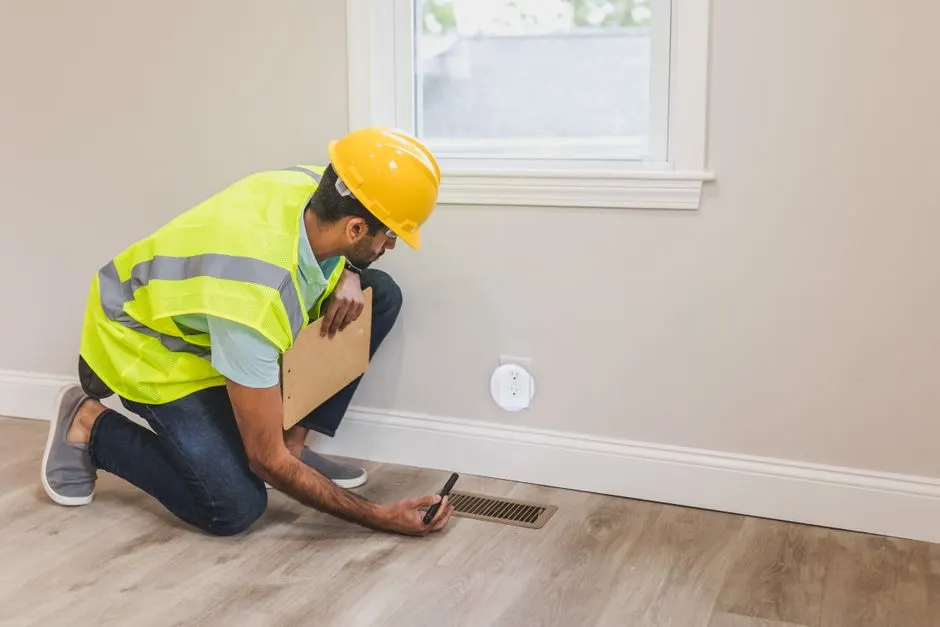 Mold Inspection Near MeAn inspection comes first. We use a moisture meter and thermal imaging camera to find where growth is active before we decide whether fogging is the right treatment for your Laguna Woods unit.Explore →
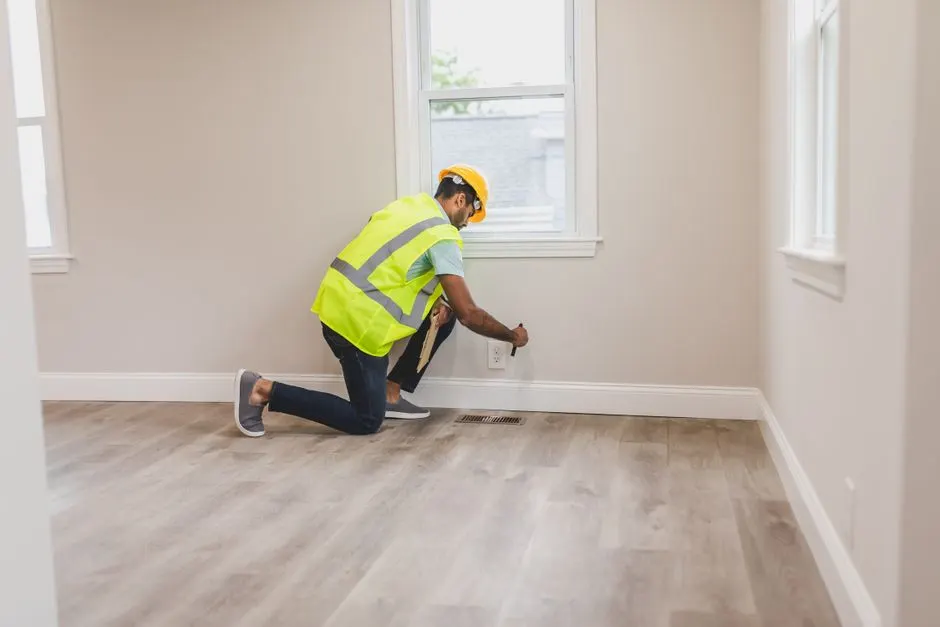 Mold InspectionA full inspection maps the extent of growth and moisture. For fogging jobs in Laguna Woods Village condos, the inspection tells us which cavities and which HVAC runs need to be in the treatment plan.Explore →
 Mold TestingTesting tells us what kind of growth is present. Before a fogging job we take air samples with an air sampling pump so we have a baseline to compare against after treatment.Explore →
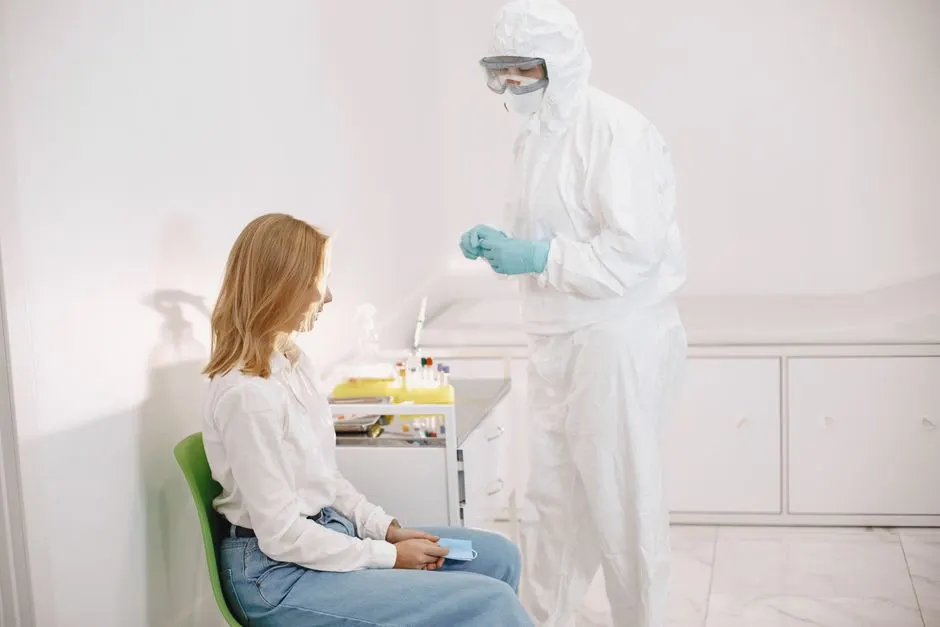 Mold Testing Near MeIf you need testing fast, we can schedule it alongside the fogging assessment. Same-day testing is available for Laguna Woods addresses when the schedule allows.Explore →
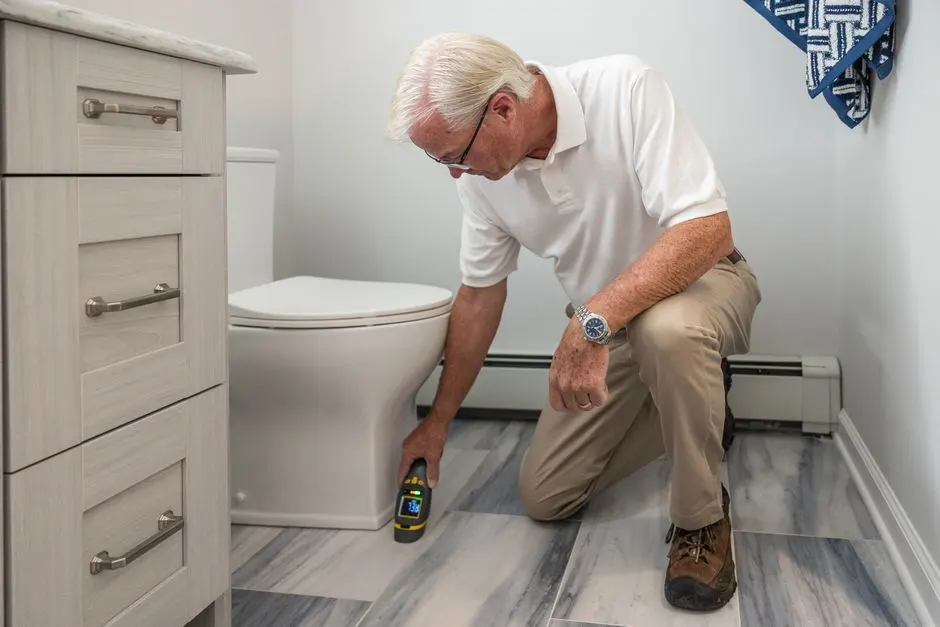 Certified Mold InspectorOur inspectors hold IICRC AMRT credentials. They write the scope that the fogging crew works from, so the treatment matches what the inspection found.Explore →
 Black Mold InspectionBlack mold growth needs a closer look before fogging. We inspect, sample, and tell you whether the material can be fogged in place or has to be removed first.Explore →
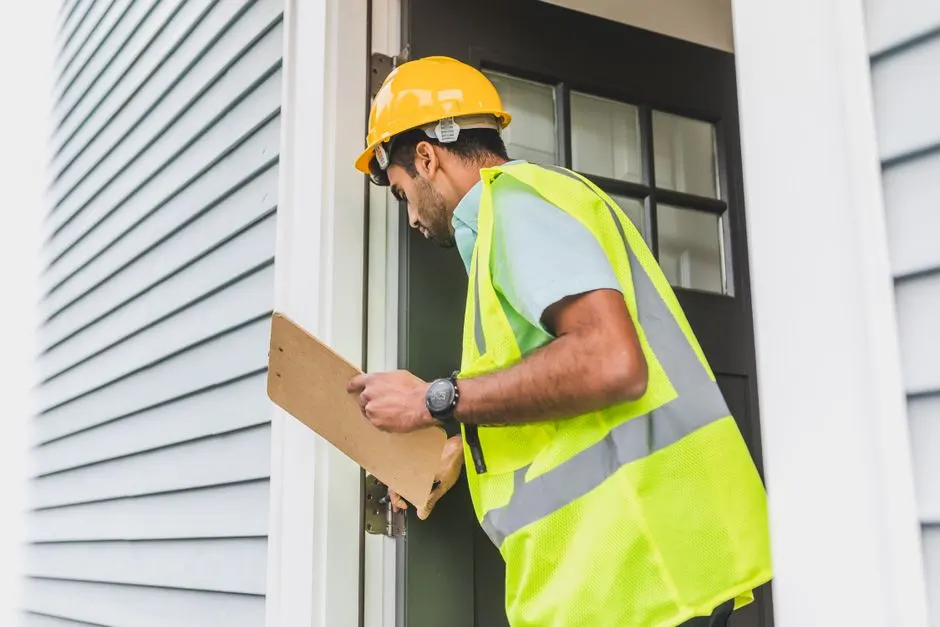 Home Mold InspectionA whole-home inspection covers attic, crawl space, bathrooms, and HVAC. It is the right starting point before a fogging job in a larger Laguna Woods property.Explore →
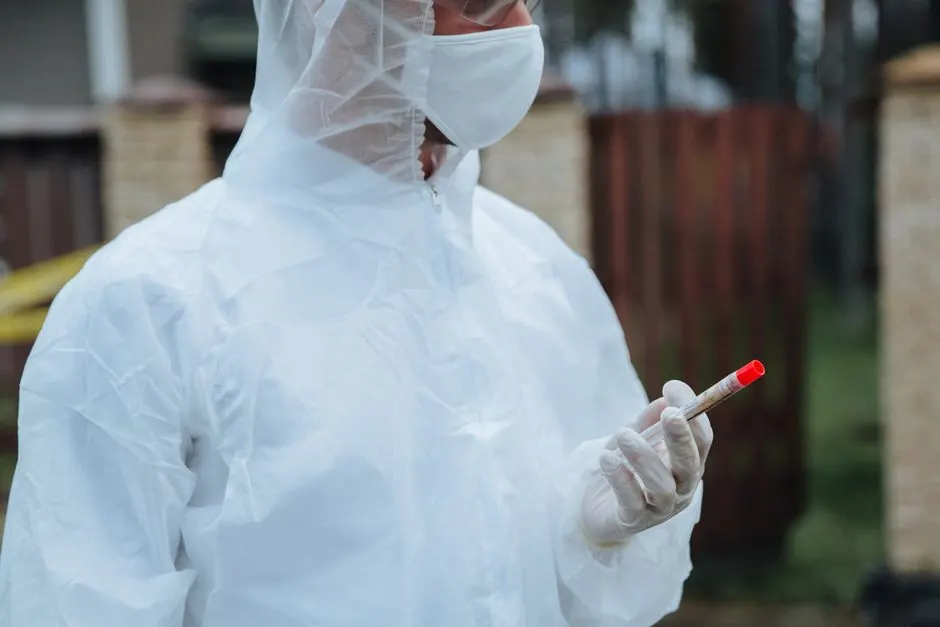 Residential Mold TestingResidential testing gives you a spore count before and after fogging. We use it to confirm the treatment worked before we call the job complete.Explore →
Musty smell that will not quit? We can assess your unit and tell you whether fogging is the right fix. Call (833) 929-5837 and we will give you a written scope and a start time.
Schedule Fogging (833) 929-5837 →Call (833) 929-5837 or email us and we will get back to you the same business day. We answer emergency calls 24/7, and weekday inspections can often be scheduled the same day. Tell us what you are seeing or smelling and we will tell you what the next step looks like.