Containment, removal, and clearance testing done by certified technicians

Mold Abatement LAGUNA WOODS CA That Gets the Air Clean

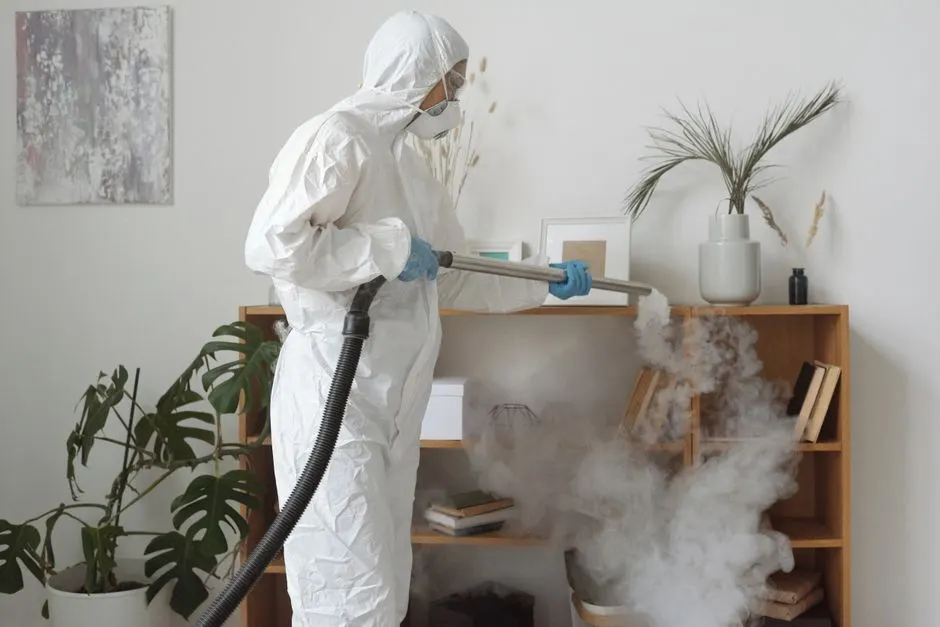
Mold Abatement LAGUNA WOODS CA means stopping the spread first, then removing what's already growing. We seal the work area, run HEPA filtration, and pull contaminated drywall and insulation out of your home without dragging spores through the rest of the house. If you've smelled that musty odor since the last rain or found a stain spreading behind a cabinet, call us and we'll tell you what we're dealing with.

↗
Fast online booking

Request service today

Tell us what is happening. Our local team will confirm your visit shortly.

No spam. No obligation. Just practical help.
Thanks — we'll call shortly to confirm your visit.
Mold Remediation Service Laguna Woods — your local Mold Remediation Service team
Careful work. Honest options.
About this service

What Mold Abatement LAGUNA WOODS CA Actually Involves

Mold abatement is the physical removal of mold growth and the contaminated materials it has colonized, plus the containment that keeps spores from spreading while the work happens. It is not a wipe-down with bleach. Our technicians set up plastic sheeting and negative air pressure, run HEPA scrubbers, and bag every porous item before it leaves the room. We use moisture meters and thermal imaging cameras to find the water source feeding the growth, because removing mold without fixing the moisture is a callback waiting to happen.

In Laguna Woods, most of the calls we run come from the same handful of scenarios: a slow supply-line leak under a kitchen sink, condensation on single-pane windows in the Village's older units, and crawl space moisture that never fully dries out. If you've been searching for mold abatement near me LAGUNA WOODS CA and getting generic answers, we'll walk your unit and tell you exactly where the growth is and what it will take to clear it.

  • ✓ Air You Can Breathe Again
  • ✓ Growth Stopped at the Source
  • ✓ Containment That Protects the Rest of the House
  • ✓ Documentation for Insurance and HOA
What's included

What's Included in Mold Abatement LAGUNA WOODS

Every abatement scope we write covers containment, removal, surface treatment, and clearance testing. The variables are how much material has to come out and how long the structure takes to dry. Here's what's in the standard scope.

✓

Containment and Negative Air

6-mil plastic sheeting, zippered doorways, and a negative air machine keep the work zone under pressure so spores don't migrate into the rest of the home. Air scrubbers with HEPA filters run for the duration of the job.

✓

Contaminated Material Removal

Affected drywall, fiberglass insulation, and other porous materials are removed and bagged inside the containment. Debris leaves sealed, not loose through your hallway, and we haul it to a licensed disposal facility.

✓

HEPA Vacuuming and Antimicrobial Treatment

Structural surfaces get HEPA-vacuumed, then treated with an antimicrobial solution such as Concrobium or Benefect. Heavier growth on framing may call for dry ice blasting to lift it without gouging the wood.

✓

Drying and Encapsulation

Dehumidifiers and air movers bring the cavity back to a dry standard, which usually takes 24 to 72 hours. Once the moisture meter holds, we apply a mold remediation encapsulant to seal the cleaned surfaces.

✓

Post-Remediation Clearance Testing

An independent air sampling pump pulls a measured air volume inside and outside the work zone, and the lab compares the two. We don't pull containment until the indoor count matches the outdoor baseline, and you get the report.

How it works

How Our Mold Abatement Process Works

01

Inspection and Moisture Mapping

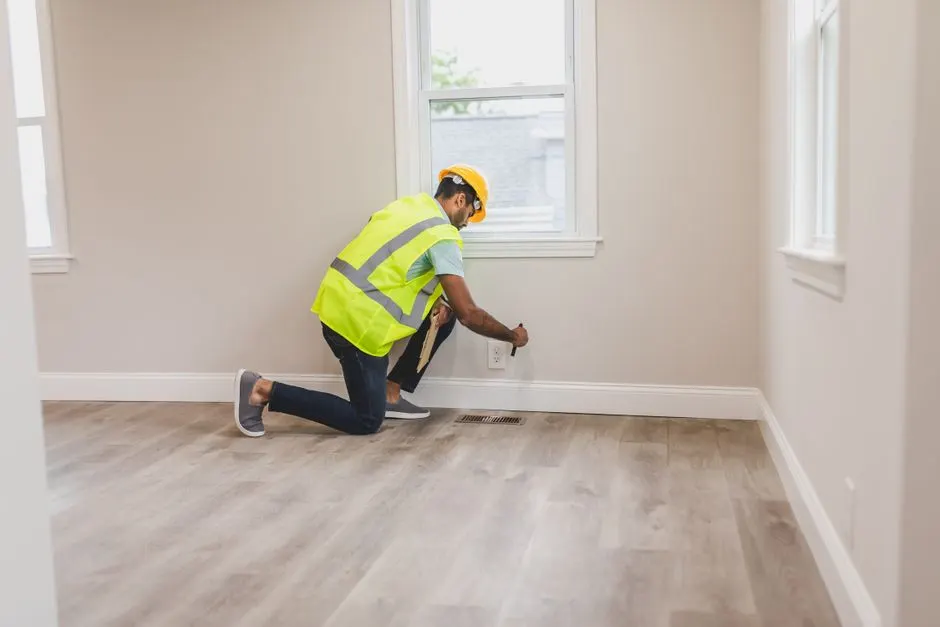
We start with a boroscope inspection camera in the wall cavities and a thermal imaging camera across the suspect surfaces, then take moisture meter readings at each one. This takes 45 to 90 minutes and tells us how far the growth actually reaches. You get a written scope with photos before any demolition starts.

02

Containment and Air Control

We hang 6-mil plastic sheeting with zippered doorways and set up a negative air machine so the work zone stays under pressure. Air scrubbers with HEPA filters run continuously. This is the step that keeps spores from riding the HVAC system into the bedrooms, and it's the step most quick-fix crews skip.

03

Removal and Surface Treatment

Contaminated drywall, fiberglass insulation, and any porous material come out and get bagged inside the containment. Wood framing and other structural surfaces get HEPA-vacuumed, then treated with an antimicrobial solution such as Concrobium or Benefect. Heavier growth on joists may call for dry ice blasting, which lifts the growth without gouging the wood.

04

Drying and Encapsulation

Dehumidifiers and air movers bring the cavity back to a dry standard, usually 24 to 72 hours depending on how wet the framing was. Once the readings hold, we apply a mold remediation encapsulant to seal the cleaned surfaces. That coating is what stops a stray spore from re-colonizing the same wood.

05

Clearance Testing

An independent air sampling pump pulls a measured volume of air in the work zone and outside it, and the lab compares the two. We don't remove containment until the indoor spore count matches the outdoor baseline. You get the lab report in hand, which is the document your insurance carrier and any future buyer will ask for.

Tools & methods

Tools and Methods We Use

Purpose-built equipment, used by trained technicians — so the job is done accurately the first time.

Thermal Imaging Camera

Finds the temperature difference wet building material creates behind drywall and under flooring, which points us to growth we can't see from the surface.

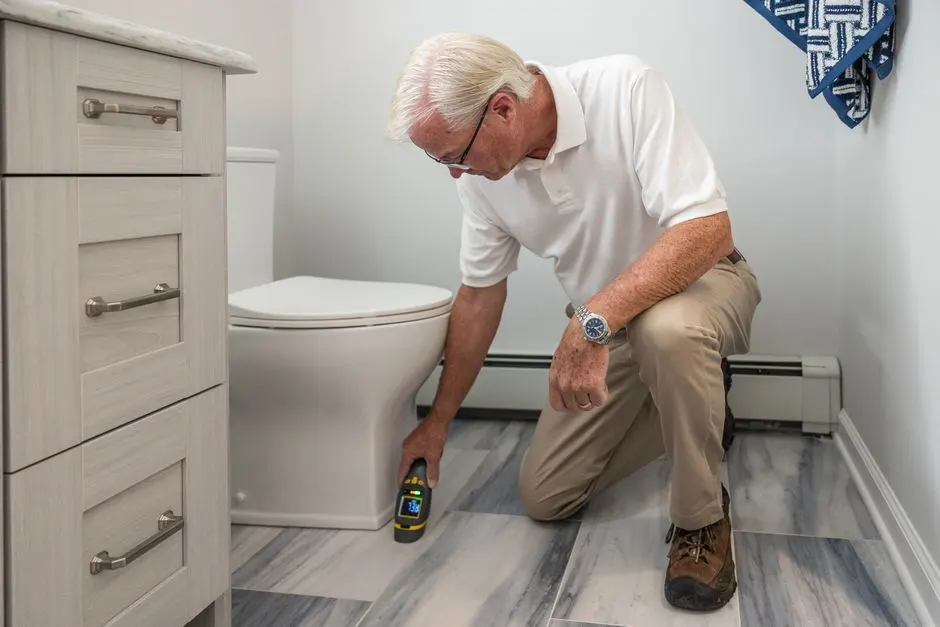
Moisture Meter

Reads the moisture content in wood framing and drywall. We use it to confirm the water source is corrected before we encapsulate, and to verify the structure is dry at the end.

Boroscope Inspection Camera

Looks inside wall cavities and behind cabinets without demolition, so we can confirm the extent of growth before we open anything up.

Air Scrubber and Negative Air Machine

HEPA filtration units from Abatement Technologies and Dri-Eaz keep the work zone under negative pressure and pull airborne spores out of the air while we work.

Dehumidifier and Air Movers

Dri-Eaz and Phoenix Restoration Equipment units bring wet framing back to a dry standard, usually over 24 to 72 hours depending on how saturated the material is.

Dry Ice Blasting Machine

Lifts mold growth off structural lumber without gouging the wood or leaving chemical residue, which is what we want on joists and framing we're keeping.

Air Sampling Pump

Pulls a measured volume of air for lab analysis. We sample inside and outside the containment so the clearance report compares your indoor air to the outdoor baseline.

Real results

Before and after.

Kitchen Cabinet Growth After a Slow Leak

Before

A supply line under the sink had been dripping for weeks. The cabinet base was black with growth, the drywall behind it read 28% on the moisture meter, and the musty smell had spread into the adjacent dining area.

After

We removed the cabinet base and affected drywall, treated the framing, and ran dehumidifiers for 48 hours. The clearance test came back at the outdoor baseline, and the moisture meter read 11% on the framing before we encapsulated.

Crawl Space Joist Growth in Moulton Meadows

Before

Winter rains had left the crawl space damp through spring. The insulation was saturated, the joists were covered in dark growth, and the musty smell was drifting up into the living room through the floor vents.

After

We removed the insulation, HEPA-vacuumed and dry ice blasted the joists, and corrected the vapor barrier. The joists read dry on the moisture meter within 72 hours, and the air sampling confirmed the spore count was back to baseline.

Bathroom Ceiling Growth From a Failed Fan

Before

The exhaust fan in a Village condo had stopped moving air years earlier. Growth had spread across the ceiling above the shower, and the drywall paper was lifting where the moisture had saturated it.

After

We removed the affected ceiling drywall, treated the framing, and replaced the fan with a unit rated for the room's square footage. The clearance test passed in three days, and the ceiling was rebuilt and painted.

Problems we solve

Mold Problems We Solve in Laguna Woods

Most of the calls we run in Laguna Woods trace back to a handful of moisture problems. Here's what we find and how we fix it.

Ask a pro →
01

Musty odor that keeps coming back after cleaning

We use a boroscope inspection camera to look inside the cavity and a thermal imaging camera to find the temperature difference wet material creates. Once we locate the colony, we remove the affected material and treat the framing rather than masking the smell.

↗
02

Black mold growth behind bathroom drywall

We shut off the water source, remove the affected drywall and insulation, HEPA-vacuum the studs, and treat them with an antimicrobial solution. Before we close it up, we check the exhaust fan's CFM rating so the moisture doesn't come back.

↗
03

Crawl space moisture feeding joist growth

We remove the affected insulation, treat the joists, and correct the drainage or vapor barrier that's letting the moisture in. Once the wood reads dry on the moisture meter, we apply an encapsulant to seal it.

↗
04

HVAC mold contamination spreading through the unit

We inspect the air handler and ductwork, then clean and treat the affected components. Fogging treatment reaches surfaces inside the ducts that wiping can't, and we verify with air sampling after the system runs.

↗
Proof you can check

Licensed, Certified, and Documented

✓
IICRC AMRT (Applied Microbial Remediation Technician)Institute of Inspection, Cleaning and Restoration Certification
✓
IICRC WRT (Water Restoration Technician)Institute of Inspection, Cleaning and Restoration Certification
✓
ACAC CMI and CMR CredentialsAmerican Council for Accredited Certification
✓
EPA Lead-Safe Certified FirmU.S. Environmental Protection Agency
✓
California Contractors State License Board (CSLB)State of California
Good questions

Frequently Asked Questions

(833) 929-5837 →

Most residential mold abatement jobs in Laguna Woods run $1,200 to $4,500 in 2026, with small bathroom or cabinet jobs at the low end and crawl space or multi-room work at the high end. The price depends on the square footage of affected material, how much drywall has to come out, and whether clearance testing is included. We give you the scope and the number before demolition starts.

Abatement is the physical removal of mold and contaminated materials, while remediation is the broader process that includes finding the moisture source, correcting it, and verifying the air is clean afterward. In practice, a mold abatement in LAGUNA WOODS, California job should always include remediation steps, because removing growth without fixing the water source just means the mold comes back. We treat them as one scope.

A single-room job typically takes one to three days from containment to clearance, and a crawl space or multi-room project runs three to seven days. The variable is drying time: if the wood framing reads wet, we run dehumidifiers until the moisture meter holds a dry standard, which can add 24 to 72 hours. We give you a day-by-day schedule with the scope.

We do, and we cover the whole Village and the surrounding area, from Gate 1 through Gate 16 to the Alicia Parkway corridor. Call (833) 929-5837 and we'll confirm a same-day or next-day inspection slot. If you're in a condo and the growth crosses into a shared wall, we'll coordinate with the HOA and the neighboring unit's owner so the scope covers both sides.

Ready when you are

Get Mold Abatement LAGUNA WOODS CA Scheduled Today

We're licensed, insured, and IICRC certified, and we've been serving Laguna Woods since 2022. Call (833) 929-5837 and we'll get a technician out to inspect the growth, map the moisture, and give you a written scope before any work starts.

Call Now (833) 929-5837 →
Request an appointment

Contact Our Laguna Woods Team

Call (833) 929-5837 or email us and we will get back to you the same business day. We answer emergency calls 24/7, and weekday inspections can often be scheduled the same day. Tell us what you are seeing or smelling and we will tell you what the next step looks like.

Request received — our team will be in touch shortly.
Tap to call(833) 929-5837