Musty odor with no visible growth
We use a boroscope inspection camera and thermal imaging camera to find the moisture without opening walls, then sample the air to confirm what is growing. You get a location and a species before any demolition.
When you smell that musty odor or spot dark staining after a leak, Emergency Mold Testing Services LAGUNA WOODS CA gives you a straight answer fast. We are a licensed mold testing and remediation team serving Laguna Woods Village and the surrounding Orange County area, and we handle urgent mold sampling in LAGUNA WOODS, California seven days a week. You get a real inspection, real lab results, and a clear plan.
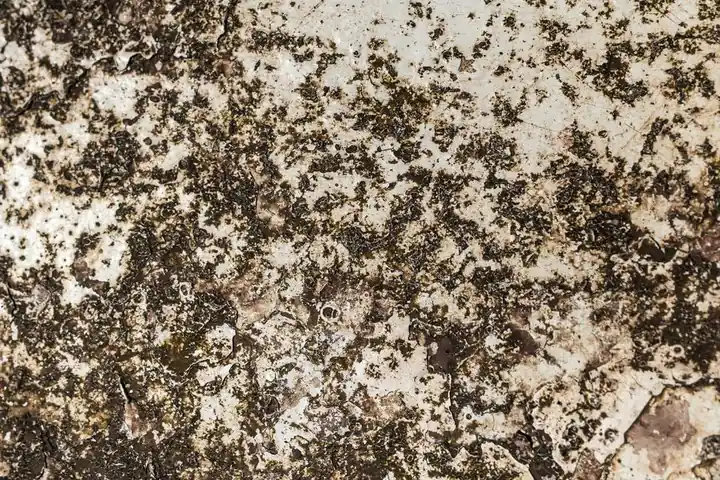
Emergency Mold Testing Services LAGUNA WOODS CA is a rapid-response inspection and sampling service that identifies active mold growth, measures spore counts, and tells you whether the problem is surface-level or inside the walls. A technician arrives with a moisture meter and thermal imaging camera, maps the wet zones, then pulls air and surface samples with an air sampling pump. Samples go to an accredited lab, and you get a written report with species and concentration levels, usually within 24 to 48 hours.
In Laguna Woods, the call usually comes after a slow supply-line leak, a bathroom fan that quit, or condensation that never dried out. Condos and co-ops in Laguna Woods Village share walls and HVAC chases, so mold in one unit can spread through a shared duct or attic cavity before anyone notices. If you are searching for emergency mold testing services near me LAGUNA WOODS CA, we can be on-site the same day and tell you exactly where the moisture is coming from.
Every emergency call includes a visual inspection, moisture mapping, and at least one air sample with an outdoor control. From there, we add surface samples or extra rooms based on what we find. The report and a walkthrough are always included. Remediation, if needed, is scoped separately and priced before we start.
A technician walks the unit with a moisture meter and thermal imaging camera, checking bathrooms, kitchen lines, the attic hatch, and any wall backing onto a shared chase. This takes 30 to 60 minutes and tells us where to sample.
We run an air sampling pump for indoor samples and one outdoor control, then compare the two. This is how you tell whether indoor spore levels are actually elevated or just background noise from the outside air.
Visible growth gets a tape lift or swab so the lab can identify the species. This matters when you need to know whether you are dealing with a common Cladosporium or something toxigenic like Stachybotrys.
Samples go to an accredited third-party lab with 24 to 48 hour turnaround. The report lists species, spore concentration per cubic meter, and a comparison against the outdoor control.
You get a written report with photos, sample locations, and chain-of-custody documentation, plus a phone or in-person walkthrough where we explain what it means and what to do next.
You call and describe what you are seeing or smelling. We ask about the water event, the age of the building, and whether anyone has respiratory symptoms. Within minutes we schedule a same-day or next-morning window and tell you what to leave untouched so the samples stay valid.
The technician walks the unit with a moisture meter and thermal imaging camera, checking bathrooms, kitchen lines, the attic hatch, and any wall that backs onto a shared chase. This visual and moisture survey takes 30 to 60 minutes and tells us where to sample.
We run an air sampling pump for outdoor control and indoor samples, then take surface swabs or tape lifts from visible growth. Each sample is labeled, sealed, and logged on a chain-of-custody form. Most homes need two to four air samples plus one or two surface samples.
Samples go to an accredited third-party lab. Standard turnaround is 24 to 48 hours. The lab reports species, spore concentration per cubic meter, and a comparison against the outdoor control so you can see whether indoor levels are elevated.
We walk you through the report line by line, show you photos of what we found, and lay out the options: dry-out and clean, targeted remediation, or a larger containment job. If remediation is needed, we scope it in writing the same day so you can move forward without a second visit.
Purpose-built equipment, used by trained technicians — so the job is done accurately the first time.
Pin and pinless meters read moisture content in drywall, wood framing, and flooring. This is how we trace a leak to its source before sampling.
Infrared imaging shows temperature differences behind walls and under floors, which reveals wet zones that are invisible to the eye.
Draws a known volume of air through a spore trap cassette so the lab can calculate spores per cubic meter and compare indoor against outdoor levels.
A small camera on a flexible probe lets us look inside wall cavities and chases without cutting a large opening.
Captures fine dust and spores during inspection and cleanup so we do not spread contamination from one room to another.
Creates negative pressure in a contained area so spores cannot escape into the rest of the unit during remediation.
Dri-Eaz and Phoenix Restoration Equipment units pull moisture out of the air and materials after a water loss, which is the first step before testing.
A slow leak under a kitchen sink ran for two weeks before the homeowner noticed a musty smell. The cabinet base was stained and the drywall behind it read 28 percent moisture on the meter. Air samples showed elevated Penicillium/Aspergillus spores compared with the outdoor control.
We contained the cabinet area, removed the affected drywall section, HEPA-vacuumed the cavity, and applied antimicrobial solution. Post-remediation testing came back at normal spore levels. The repair took two days and the cabinet was back in service the same week.
A bathroom exhaust fan had been venting directly into the attic for years. The decking showed dark staining across 120 square feet and the attic smelled musty. Air sampling confirmed elevated Cladosporium and Stachybotrys spores in the attic and in the hallway below.
We set up containment, removed the affected decking, HEPA-vacuumed the framing, and applied antimicrobial solution. The exhaust fan was re-routed to the exterior. Clearance testing passed on the first try, and the hallway spore count dropped to normal.
A roof leak in an adjacent unit migrated through a shared wall. The homeowner saw bubbling paint in a bedroom closet and worried about black mold growth. Initial samples showed elevated spore counts on the affected side and normal levels on the neighbor's side.
We documented both sides with photos and sample maps, contained the affected closet, removed the damaged drywall, and treated the framing. The report gave the HOA a clear basis to assign the repair. Clearance testing passed in 48 hours.
Most mold calls start with a water event the homeowner did not fully dry out, or a slow leak that ran behind a cabinet for weeks. Here are the problems we see most often in Laguna Woods and how testing resolves them.
Ask a pro →We use a boroscope inspection camera and thermal imaging camera to find the moisture without opening walls, then sample the air to confirm what is growing. You get a location and a species before any demolition.
We take a surface sample from the staining and an air sample from the room. The lab report tells you whether the growth is active and whether the wall cavity needs to be opened.
We sample both sides of the shared assembly and produce a report with sample maps that the HOA and carriers accept. That gives the board a documented basis to act.
We measure humidity and surface moisture, sample the affected areas, and recommend targeted fixes like exhaust upgrades or a dehumidifier. Testing confirms whether the issue is active before you spend on repairs.
Most emergency mold testing jobs in Laguna Woods run $350 to $750 in 2026, depending on the number of samples and whether attic or crawl space access is needed. A basic inspection with two air samples and one surface sample sits at the low end. Larger units, multiple rooms, or rush lab turnaround push the number up. We quote the full price before we start, so there is no surprise on the invoice.
We do. Our team runs after-hours and weekend emergency calls for urgent mold sampling in LAGUNA WOODS California, including holidays. Call (833) 929-5837 and we will schedule the next available slot, often within 2 to 4 hours. After-hours visits carry a modest trip charge that we disclose on the phone before dispatch.
Same day in most cases. If you call before 2 p.m., we can usually be on-site the same afternoon. Lab results come back in 24 to 48 hours, and rush panels are available when you have a closing or an insurance deadline. We serve Laguna Woods Village gates 1 through 16 and the surrounding Orange County area.
Yes. We schedule Saturday and Sunday appointments for emergency mold testing LAGUNA WOODS CA calls, and we do not charge a separate weekend premium beyond the standard after-hours trip fee. Weekend slots fill fast during the rainy season, so call early in the day if you can. We also handle same day emergency mold testing LAGUNA WOODS requests on short notice when a slot opens.
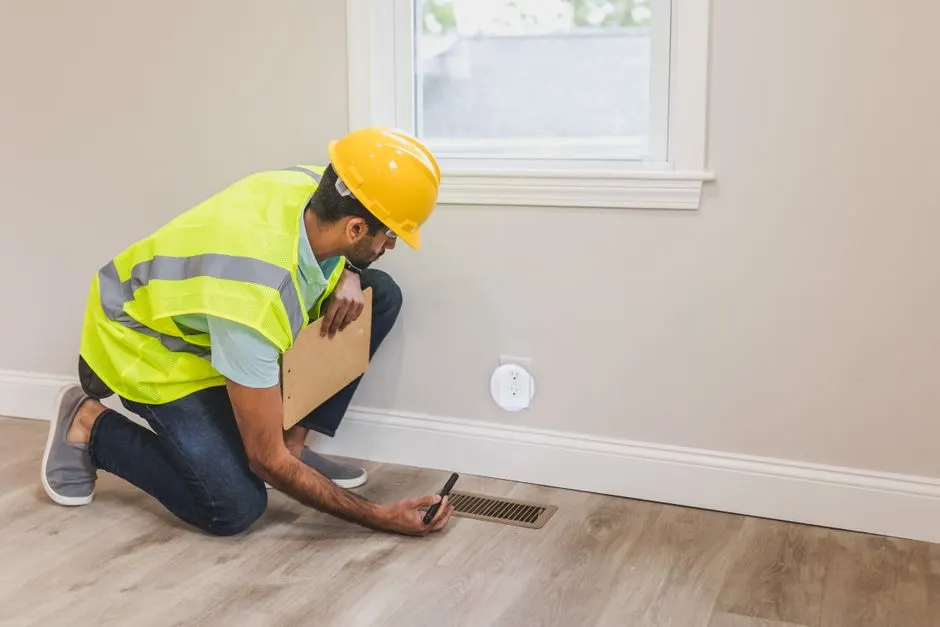 Mold Inspection Near MeA full visual and moisture inspection of your Laguna Woods unit, with photo documentation and a written summary. This is the first step before sampling and tells you whether a lab test is even necessary.Explore →
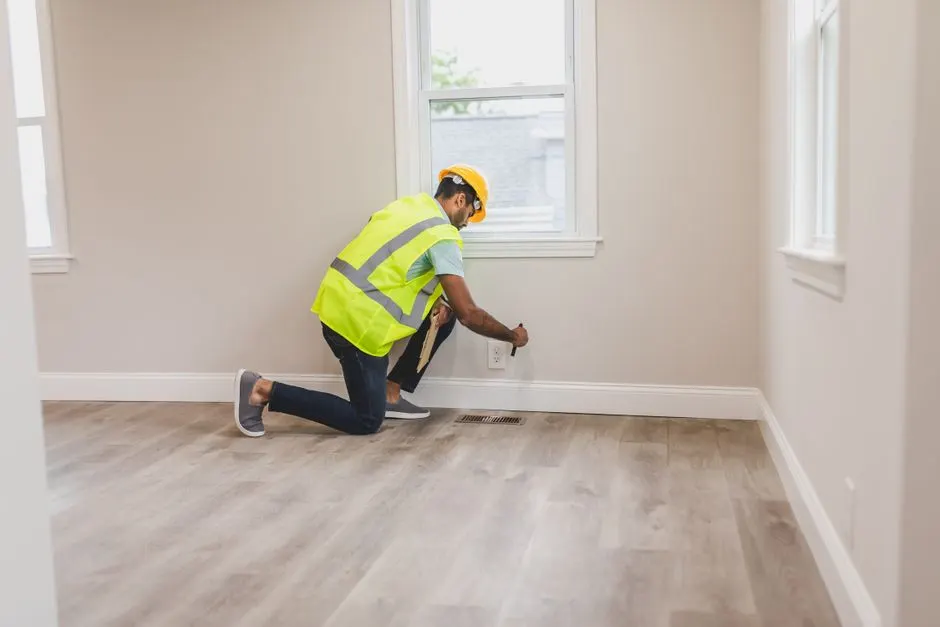 Mold InspectionOur standard inspection covers the attic, bathrooms, kitchen lines, and any wall backing onto a shared chase. It pairs with emergency testing when you need a broader picture of the unit.Explore →
 Mold TestingAir and surface sampling with accredited lab analysis. This is the core of our emergency response and gives you species and spore counts for insurance or HOA documentation.Explore →
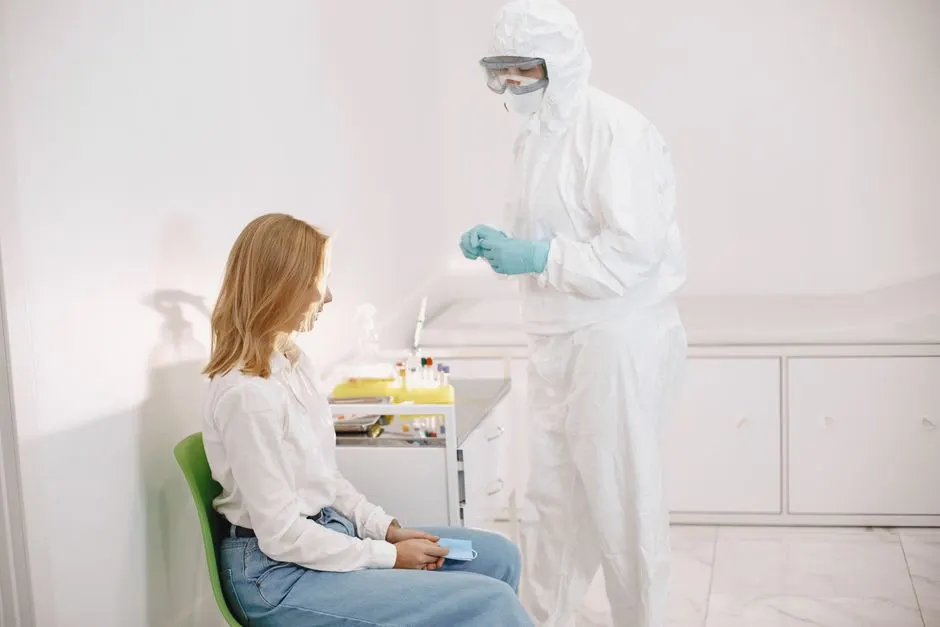 Mold Testing Near MeLocal sampling for Laguna Woods Village residents, with same-day and next-day slots. We bring the air sampling pump and moisture meter to your door.Explore →
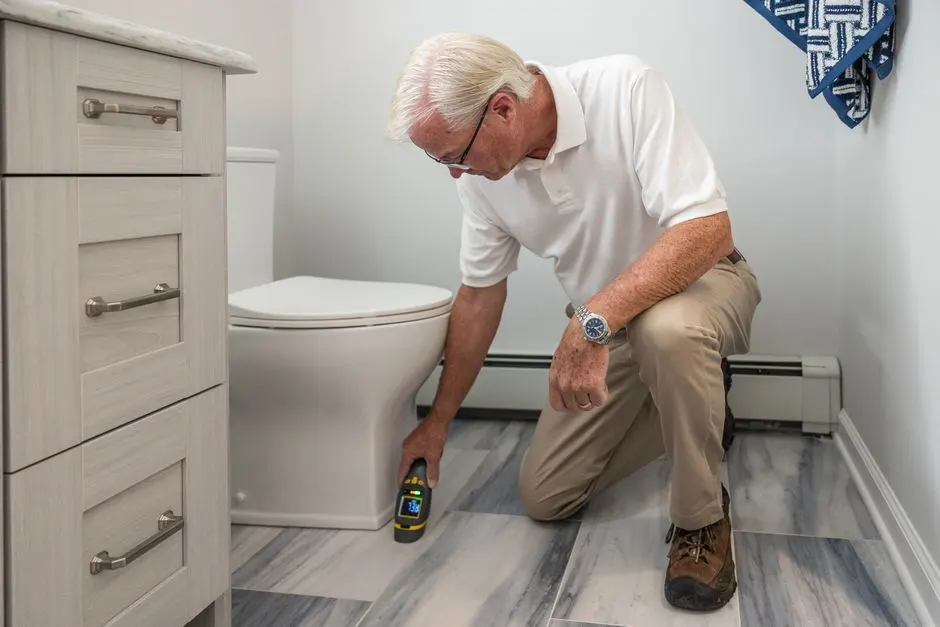 Certified Mold InspectorOur inspectors hold IICRC and ACAC credentials and follow ANSI/IICRC S520. You get a documented inspection that stands up to carrier and HOA review.Explore →
 Black Mold InspectionTargeted inspection for dark staining and musty odors that may indicate Stachybotrys or other toxigenic species. We sample the suspect area and confirm with lab culture.Explore →
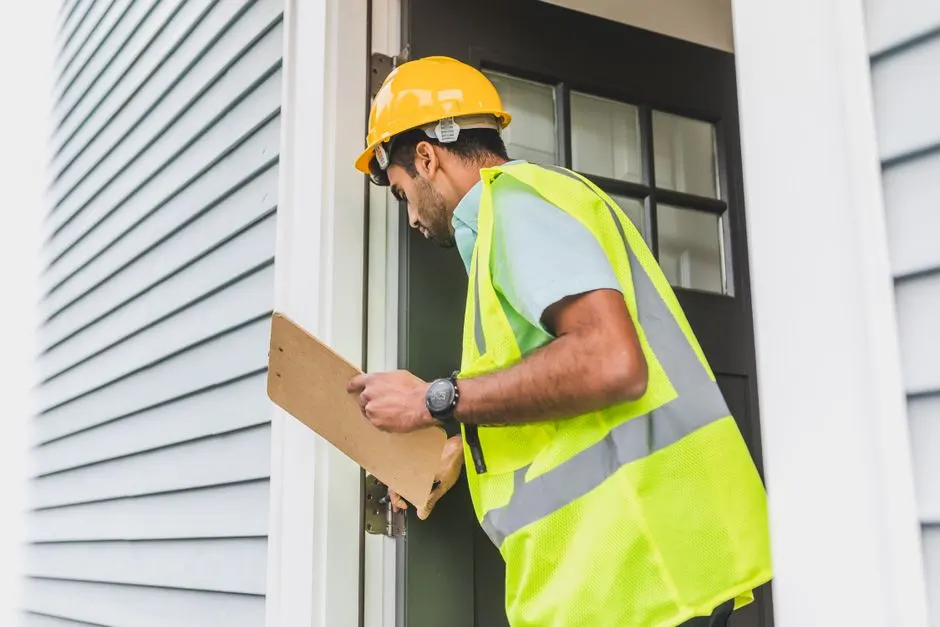 Home Mold InspectionA whole-unit inspection for homeowners and co-op residents, covering moisture sources, HVAC, and visible growth. It is the right starting point when you are not sure where the problem is.Explore →
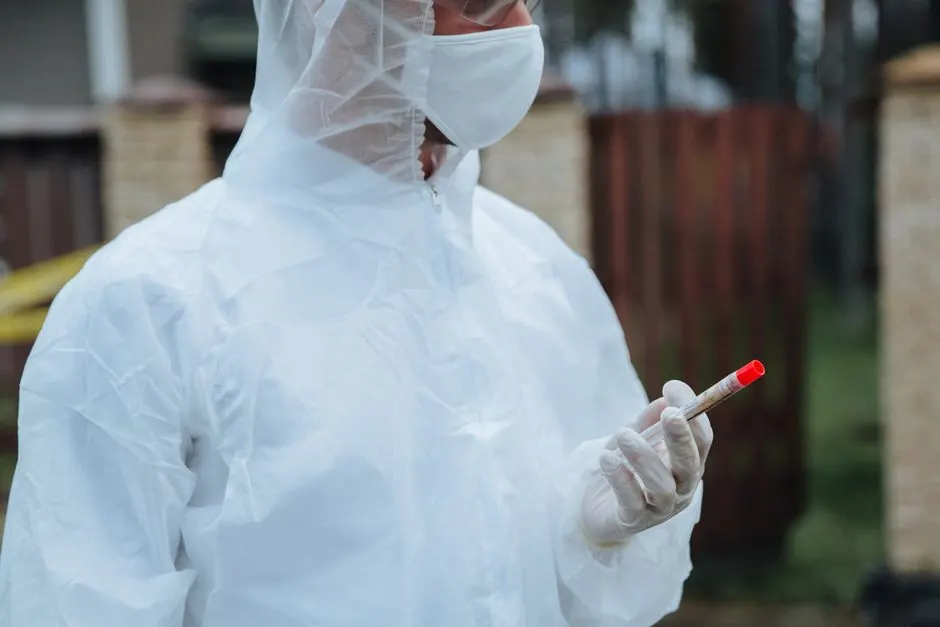 Residential Mold TestingSampling designed for occupied homes, with containment and HEPA vacuuming to keep dust down during the visit. Safe for families and pets.Explore →
If you see staining, smell a musty odor, or had a leak in the last 48 hours, do not wait. We are licensed, insured, and we answer the phone seven days a week. Call (833) 929-5837 and we will schedule your inspection.
Call Now (833) 929-5837 →Call (833) 929-5837 or email us and we will get back to you the same business day. We answer emergency calls 24/7, and weekday inspections can often be scheduled the same day. Tell us what you are seeing or smelling and we will tell you what the next step looks like.